For 11 years, my stepchildren called me a gold digger. Then their father's attorney gave me a locked box containing something none of us expected.
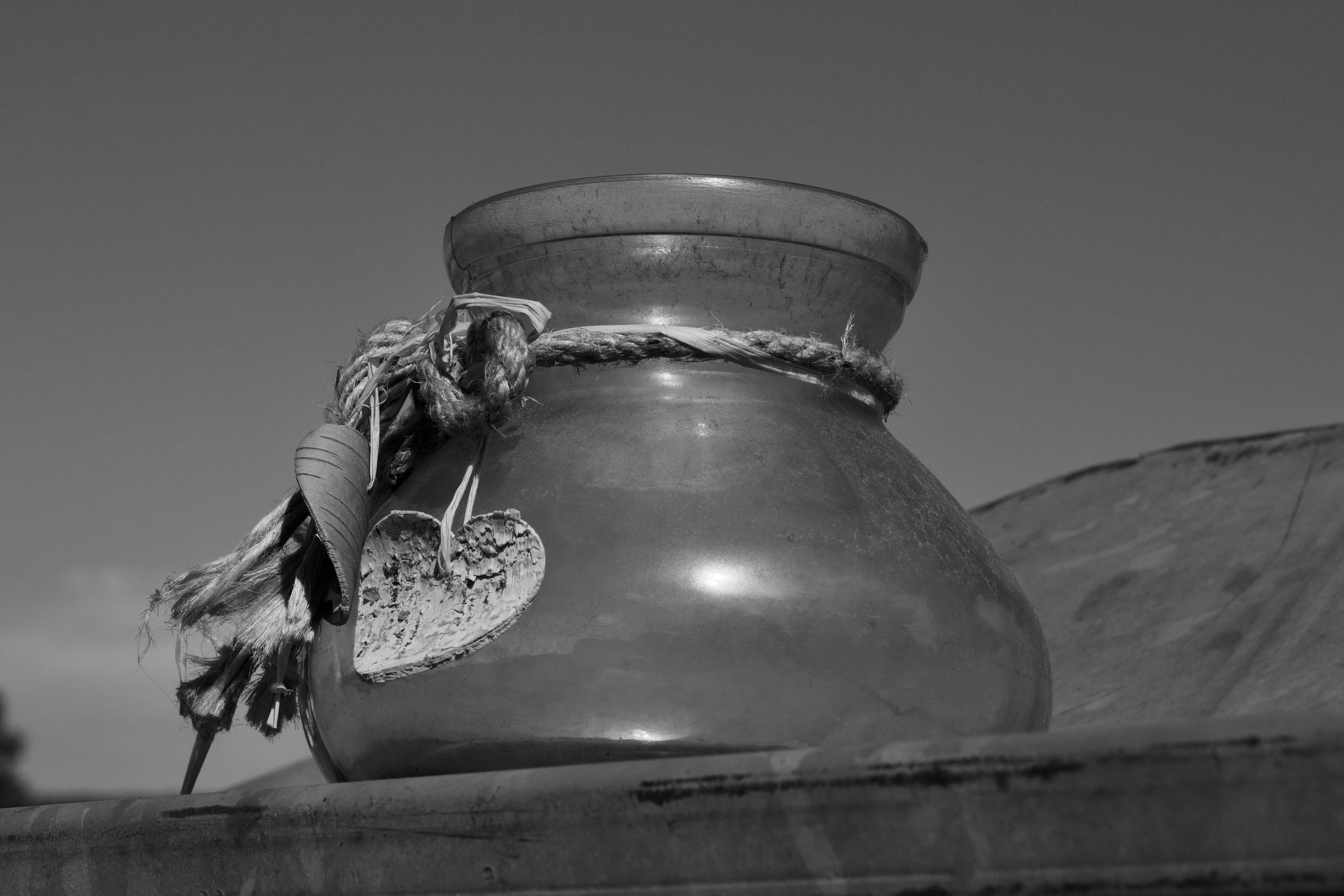
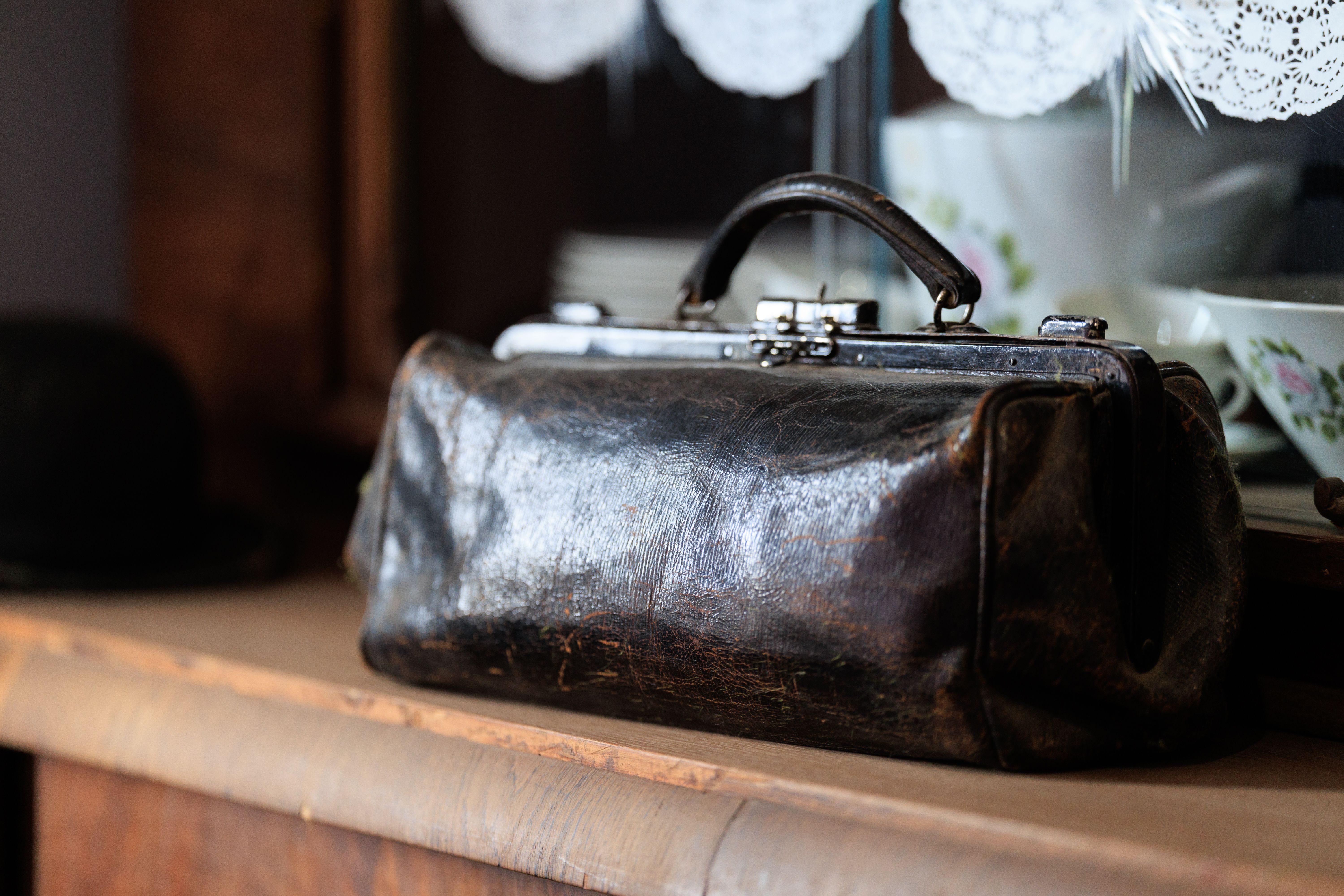
I looked down at the metal box.
"What's inside?"
Mr. Delgado folded his hands on the desk.
"Frank asked me not to tell you."
"Did you look?"
"Then how am I supposed to open it?"
He reached into another drawer and placed a small brass key beside my hand.
"Frank said you'd know what to do once you saw what was inside."
That sounded exactly like my husband.
Even dying, apparently, he had decided instructions were optional.
My hands shook as I turned the key.
The lock clicked.
Inside were three things.
A stack of letters tied with green ribbon.
A thick folder.
And an old photograph of Frank standing beside a much younger version of himself in front of the house.
A woman stood beside him.
His first wife, Linda.
Between them was another woman I had never seen before.
On the back, Frank had written:
"Patricia's mother, June. 1987."
"What?"
Mr. Delgado watched me carefully.
I turned the photograph over again.
"My mother knew Frank?"
"Apparently."
"No. She would have told me."
Mr. Delgado said nothing.
My mother had died when I was 39.
Frank and I met six years later.
At least, I thought we had.
I picked up the first letter.
Pat,
"If you're reading this, then I ran out of time to explain everything myself."
"You're probably angry already."
"Good. It means you're paying attention."
I laughed once despite myself.
"First, I need you to understand something."
"Brad and Stephanie are wrong about you."
"But I let them be wrong for too long."
"That part is mine."
My eyes burned.
For 11 years, Frank's children had treated me like a trespasser.
Stephanie once asked whether I had chosen my wedding dress to match "the curtains I'd eventually inherit."
Brad told one of Frank's cousins that women like me had "retirement plans with wedding rings."
Frank corrected them sometimes.
Usually gently.
"That's enough."
"Don't speak to Patricia that way."
But he never forced the issue.
He hated conflict.
I told myself it didn't matter.
Apparently, it had mattered to him.
I continued.
"You did not marry me for the house."
"In fact, the ugliest irony is that if anyone in this family has an old claim to this property, it is you."
I read that sentence three times.
Then I opened the folder.
Property records.
Bank statements.
A handwritten agreement dated May 1987.
At the top were three names:
Franklin. Linda. June.
My mother's name.
I looked at Mr. Delgado.
"I think you should keep reading."
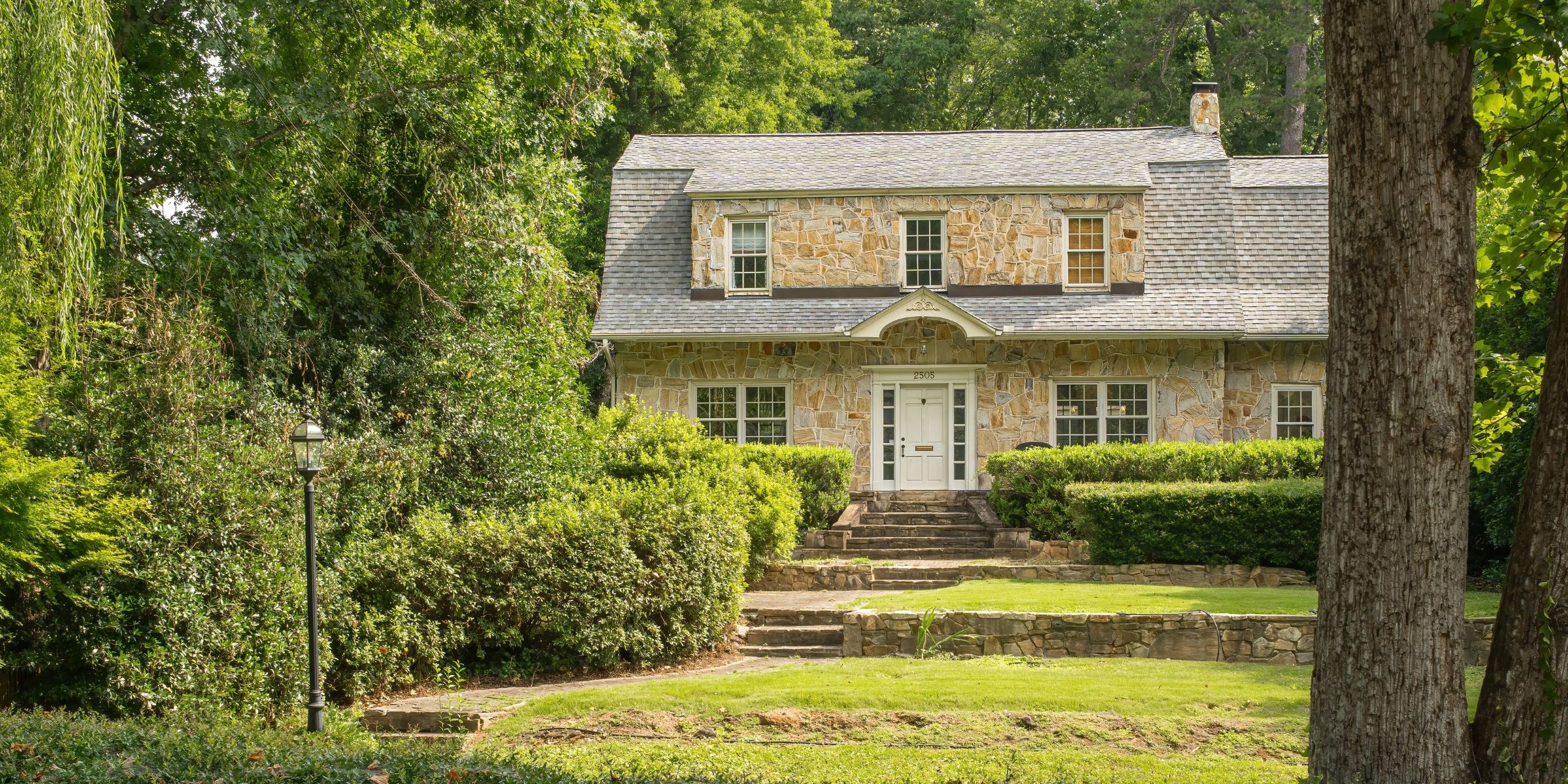
The house sat on four acres outside town.
Everyone called it Frank's house because he and Linda had lived there for nearly 40 years.
Frank told me they built it themselves when Brad was a baby.
That was true.
In 1987, Frank's small construction company was about to collapse.
A developer owed him money and filed bankruptcy.
Frank had payroll due, equipment loans, and a half-finished house he could no longer afford to complete.
Linda was pregnant with Stephanie.
They were weeks from losing everything.
Then my mother gave them $32,000.
In 1987, that was nearly everything she had.
I stared at the paper.
"Mom never had money."
That was what I remembered.
We rented.
She clipped coupons.
When she died, there was barely enough in her account to cover the funeral.
Mr. Delgado nodded toward the documents.
"Apparently, she did once."
My mother had inherited money after her father died.
Instead of buying a house, she invested it in Frank's company.
Not officially.
Not intelligently, if I was being honest.
She trusted him.
The written agreement said that if Frank's business survived, he would repay her with interest.
If he couldn't, June would receive a 25% ownership interest in the property once construction was complete.
"Did he repay her?"
I already knew the answer.
No.
Frank's company survived, but barely.
Then my father got sick.
Frank began paying her back in small amounts.
According to the statements, he repaid almost half.
Then my parents separated.
Mom moved away with me.
Payments stopped.
The folder contained copies of returned checks.
Letters marked "ADDRESS UNKNOWN."
My mother vanished from Frank and Linda's lives.
Years passed.
The debt remained.
Then there was another letter.
"Patricia,"
"If Frank followed my instructions, you won't read this until both he and I are gone."
"I never met you as an adult."
"But I knew you as a child."
I nearly dropped the paper.
There was a photograph under it.
I was maybe five.
I was standing on the front porch of Frank's house, holding a popsicle.
Linda sat beside me.
I remembered the dress I was wearing.
I remembered the popsicle.
I did not remember the house.
My chest tightened.
Linda's letter continued.
Your mother was my friend.
Not my closest friend, but the kind of friend who arrived when closeness stopped mattering and need became more important.
Your mother saved this house.
More accurately, she saved us.
Frank wanted to sell after she disappeared because he hated owing someone he could no longer find.
I convinced him not to.
I told him one day we'd make it right.
I wish I had lived long enough to do that myself.
I sat back.
Mr. Delgado gave me a sympathetic look.
"There's more."
Of course there was.
Frank's letter continued.
"I recognized your last name the first time we met."
That sentence hurt more than everything else.
I whispered, "No."
Mr. Delgado looked away.
Frank and I had met at a charity dinner.
He was 63.
We ended up seated beside each other because two people canceled.
He made a terrible joke about dry chicken.
I laughed.
Three months later, we were dating.
I had believed it was chance.
Frank wrote:
"When you introduced yourself as Patricia, I wondered if you were June's daughter."
"Then you mentioned where you grew up."
"I knew."
"I should have told you that night."
"By then, your mother had been dead for six years."
"Linda was gone for three."
"I had spent decades carrying an unpaid debt, and suddenly the daughter of the woman I owed was sitting beside me laughing at my stupid joke."
"I told myself I'd explain after dinner."
"Then after our second date."
"Then after I knew you better."
"Then I fell in love with you."
"And the truth became harder."
I put the letter down.
"No."
Mr. Delgado stayed silent.
Not because Frank knew my mother.
Because he married me without telling me.
"Did he marry me because of the debt?"
Mr. Delgado answered carefully.
"I can't tell you what Frank felt."
I looked back at the letter.
Apparently Frank knew I would ask.
"No, Pat."
"I did not marry you because of what I owed June."
"If anything, the debt nearly made me walk away from you."
"I was ashamed."
"I loved that you read the final page of mystery novels first and then lied about it."
"I loved that you sang harmony even when nobody else was singing."
"I loved that you hated my tomato plants but defended them from squirrels like they were your children."
"I loved you."
"The debt was history."
I started crying.
Frank had always complained about me reading endings first.
He used to hide new novels until I promised not to cheat.
The letter blurred.
Then came the part that made me angry all over again.
"I should have told Brad and Stephanie."
"They knew their mother's family had helped us financially when we were young, but they never knew about June."
"When they started accusing you of wanting the house, I should have told them exactly whose sacrifice helped us keep it."
"I didn't."
"Linda wanted the story kept private while she was alive because she felt ashamed that we had never repaid your mother completely."
"After Linda died, I kept quiet because I had already kept quiet for so long."
"Cowardice becomes habit surprisingly easily."
"I'm sorry."
I closed my eyes.
That sounded like Frank too.
Mr. Delgado slid a glass of water toward me.
"What happens with the house?"
He opened another folder.
That was when I learned Frank had changed his will four months earlier.
The house was not mine.
I laughed.
Actually laughed.
Mr. Delgado looked surprised.
I wiped my eyes.
"It's just... 11 years."
Brad and Stephanie had spent 11 years accusing me of marrying their father for a house I wasn't even inheriting.
"What did he do with it?"
Mr. Delgado answered.
Frank had left the property equally to Brad, Stephanie, and me.
One-third each.
But there was a condition.
Nobody could force a sale for two years.
My smile disappeared.
"Why?"
"Because Frank wanted you to have time."
"For what?"
Mr. Delgado handed me the final document.
An appraisal.
Then another piece of paper.
Frank had calculated what my mother's 25% property interest would have been worth if the original agreement had been honored.
With appreciation, it was considerably more than one-third.
I stared at the number.
"Frank considered this your family's unpaid share."
"He owed my mother, not me."
"Legally, the original agreement would be difficult to enforce after this much time."
"I'm not asking legally."
"Neither was Frank."
The locked box was not about giving me more.
It was about giving me proof.
Frank had written one final instruction.
"Brad and Stephanie are going to believe I left you a third because you're my wife."
"Then, when you're ready, show them the box."
"You do not owe them silence just because I chose it."
They arrived at Mr. Delgado's office two days later for the formal will reading.
Stephanie came carrying a notebook.
Brad brought his wife.
When Mr. Delgado announced the equal three-way split, Stephanie's head snapped up.
"Excuse me?"
Brad leaned forward.
"Dad left Patricia one-third of the property?"
"Yes."
Stephanie laughed bitterly.
"There it is."
I stared at her.
"What?"
"Congratulations."
She looked directly at me for the first time since the funeral.
"Eleven years finally paid off."
Mr. Delgado said, "Stephanie—"
"No."
I surprised myself.
"Let her finish."
Stephanie looked almost pleased.
"I don't have anything else to say."
"Really? Because you've had plenty to say for 11 years."
Brad sighed.
"Patricia, this isn't the time."
"No. Actually, this is exactly the time."
I placed the metal box on the table.
Stephanie asked, "What's that?"
"Something your father left me."
Her expression hardened.
"Of course he did."
I opened it.
I started with the photograph.
Their parents were standing beside my mother.
Brad picked it up.
"Who's that?"
"My mother."
He looked at me.
"What was your mother doing with our parents?"
So I told them.
Not dramatically.
I didn't need to.
I showed them the agreement.
The letters.
Linda's note.
Frank's letter.
By the time I finished, Stephanie had stopped moving.
Brad stared at the table.
Stephanie whispered, "Mom knew?"
"Yes."
"And Dad knew who you were when he met you?"
"Yes."
Her eyes moved toward me.
"Did you?"
For once, she believed me immediately.
Brad picked up the original agreement.
"Thirty-two thousand?"
"In 1987."
He ran a hand over his face.
"No."
Stephanie looked pale.
"Why?"
I almost laughed.
"Apparently, your family had a habit of believing silence protected people."
Good.
I didn't say it to be kind.
Then Brad asked the question I had been expecting.
"So are you claiming the house?"
"I'm sitting in a meeting where I have already been legally given part of it."
"You know what I mean."
"Do you think I'm going to sue you?"
He looked ashamed.
"I don't know."
Even after everything.
I closed the box.
"No."
Stephanie stared at me.
"Why not?"
"Because your father didn't owe me a childhood home."
I pointed toward the papers.
"He owed my mother honesty and money. He failed on both. Then he owed me the truth when we met, and he failed there too."
Neither spoke.
"But this house was also your mother's home. She raised you there. I'm not going to turn her guilt into a weapon against her children."
Stephanie began crying.
It was the first time I had ever seen her cry in front of me.
"I'm sorry."
I waited.
"For what part?"
She covered her mouth.
"All of it."
"We thought..."
"I know what you thought."
"Dad was older. You were—"
"Fifteen years younger."
"Yes."
"And therefore incapable of loving him?"
Brad looked down.
"No."
"Your father wasn't stupid."
"I know."
"Then why did both of you spend 11 years acting like I tricked him?"
Stephanie whispered, "Because Mom died."
That was the first honest answer either of them had ever given me.
She looked at the photograph of Linda.
"We were angry that he moved on."
My anger shifted.
Not gone.
"He didn't replace her."
"I know that now."
"No. You know it because he's dead and can't disappoint you anymore."
She cried harder.
I hated that I understood her.
Grief makes people selfish in strange ways.
So does loyalty.
For Brad and Stephanie, accepting me had probably felt like betraying their mother.
For Frank, confronting them meant risking distance from his children.
So everyone chose the easiest target.
Me.
We did not become a happy family that afternoon.
There was no group hug.
Brad and Stephanie left together.
I went home alone.
Frank's slippers were still beside the bed.
His reading glasses were still on the nightstand.
I sat on the floor and cried until it got dark.
Not because of the house.
Because I had learned something enormous about the man I loved after he was no longer there to answer for it.
That is a particular kind of grief.
You can forgive the dead.
You can also be furious with them.
They don't make either process easy.
Three months later, Brad called.
Not Stephanie.
Brad.
He asked if I wanted to have lunch.
I almost said no.
Then I went.
He brought a box of photographs.
Some included my mother.
In one, she was holding baby Stephanie.
I stared at it for a long time.
"I don't remember any of this."
"You were little."
"Why did Mom never tell me?"
Brad shrugged.
"Maybe everyone thought there would be more time."
That sentence stayed with me.
Stephanie came to the next lunch.
She apologized again.
Specific.
She apologized for calling me a gold digger.
For making jokes at Thanksgiving.
For telling relatives I was waiting for Frank to die.
That one was new.
But I appreciated hearing it from her rather than from someone else.
The house is still ours.
All three of ours.
The two-year restriction has another 15 months left.
I still live there.
Brad comes by to help with the property.
Stephanie has started going through Linda's old things with me.
Sometimes we disagree.
Sometimes one of us cries.
Sometimes we laugh.
Last week, we found an old recipe card in my mother's handwriting tucked inside Linda's cookbook.
Stephanie stared at it.
"Dad hated peaches."
"So did Mom."
We both started laughing.
Maybe because after all the secrets and money and resentment, two women who are both dead had apparently bonded over making desserts neither family actually wanted.
I framed the recipe.
It hangs in the kitchen now.
The locked box is in Frank's old desk.
I don't open it often.
For 11 years, Brad and Stephanie believed I married their father because I wanted his house.
The truth was stranger.
Long before I met Frank, my mother had helped make that house possible.
Frank spent decades trying to repay a debt he could never quite finish.
Then he spent 11 years loving me while being too ashamed to tell me why my name had sounded familiar the night we met.
I wish he'd defended me more loudly.
But wishing doesn't rewrite families.
Truth sometimes arrives late.
Sometimes after funerals.
And sometimes inside a metal box with an old brass lock.
Which betrayal would hurt you most: Frank hiding the truth, his children judging Patricia for years, or learning the family history only after his death?
If this story kept you hooked, here's another one for you: For 11 years, she watched her husband leave on family vacations while she and their children stayed home. Then her mother-in-law finally revealed why. Click here to read the full story.