I thought I had made peace with never understanding my father's death. Then I received a video from an unknown sender. Before the person on screen even spoke, I knew whatever came next would change the story I had lived with for most of my life.
My name is Gregory, and I was 11 years old when my father died.
The police report described it as an accidental drowning.
I never believed that word.
My dad was a strong swimmer.
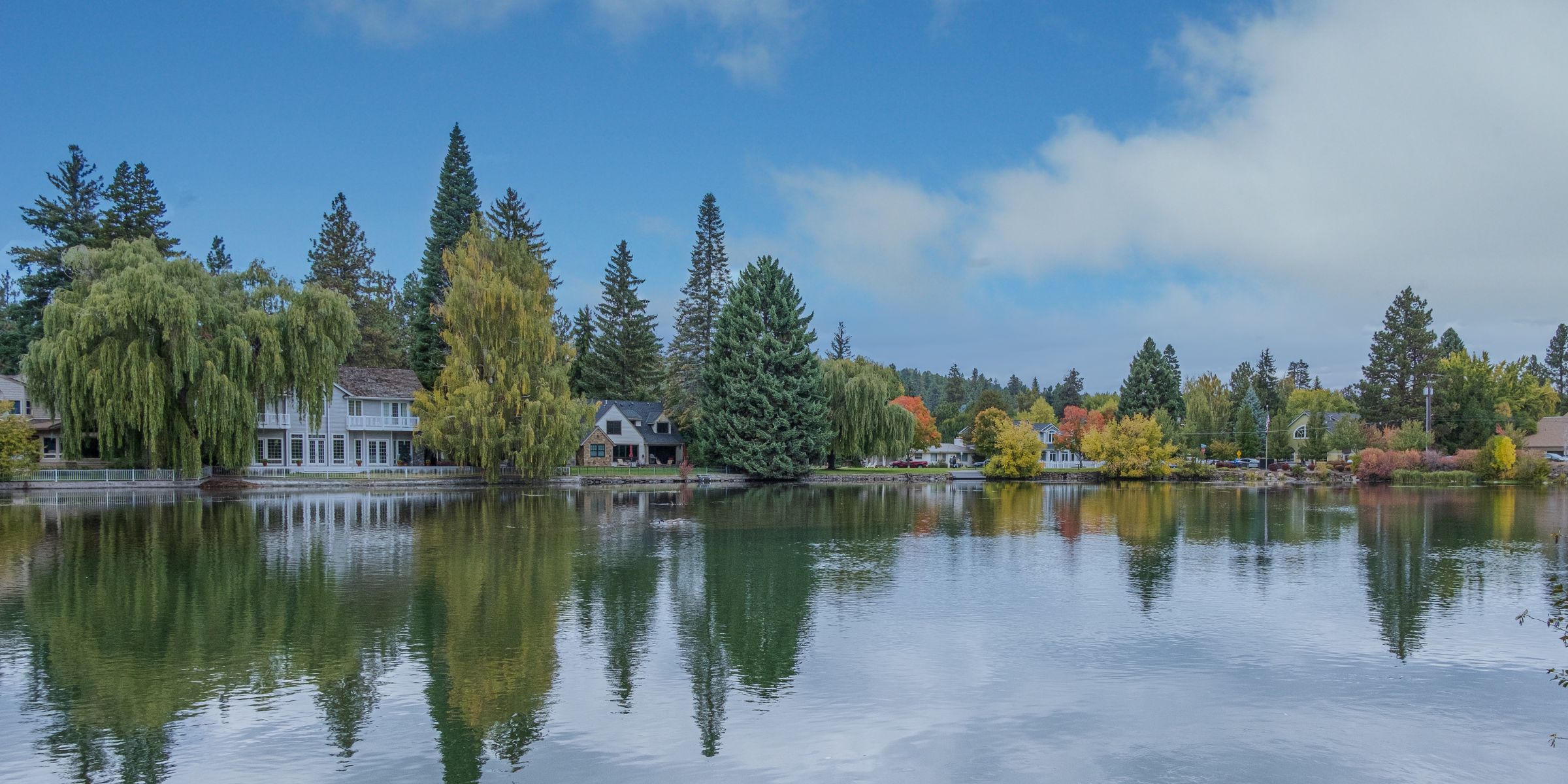
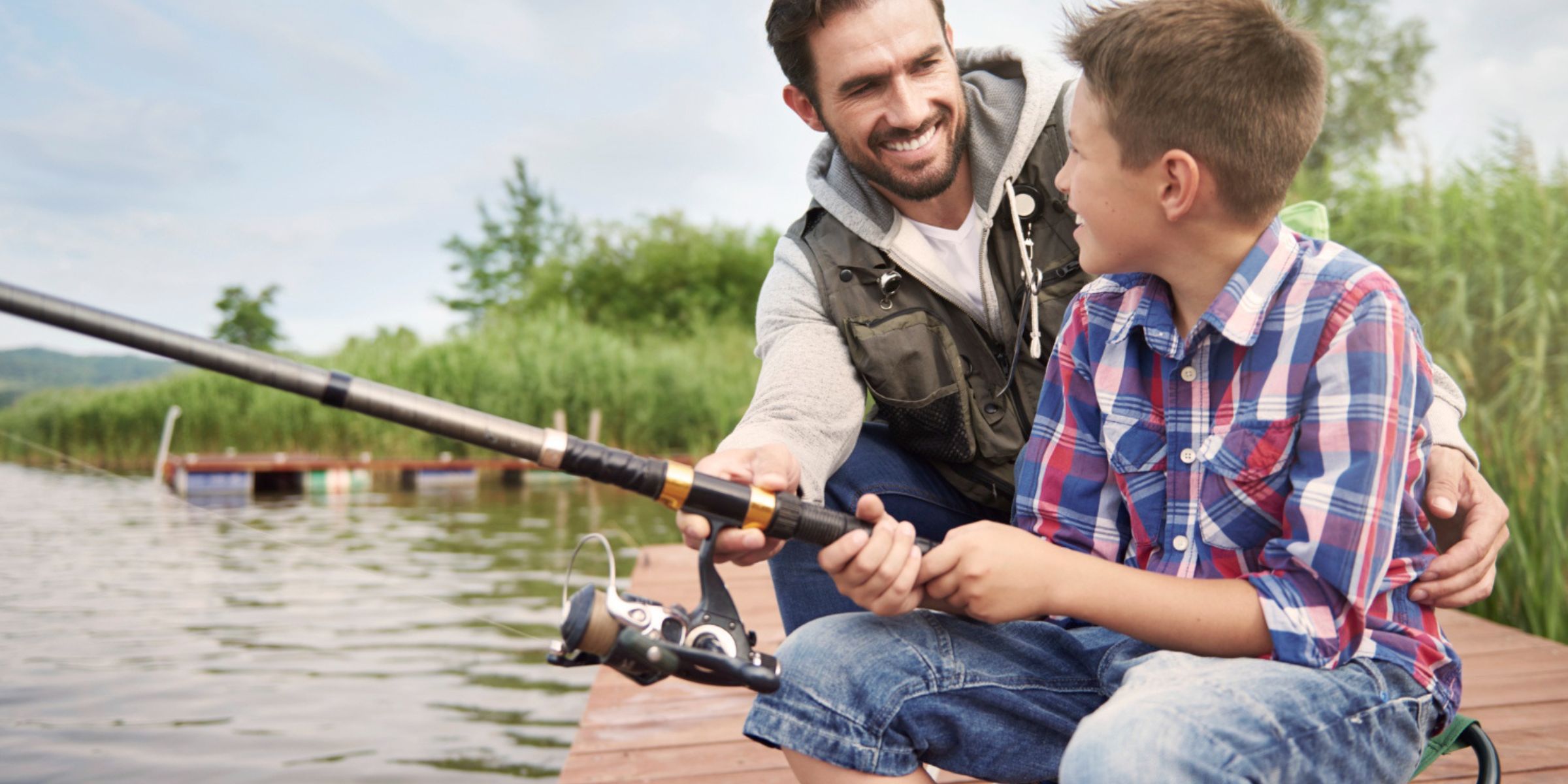
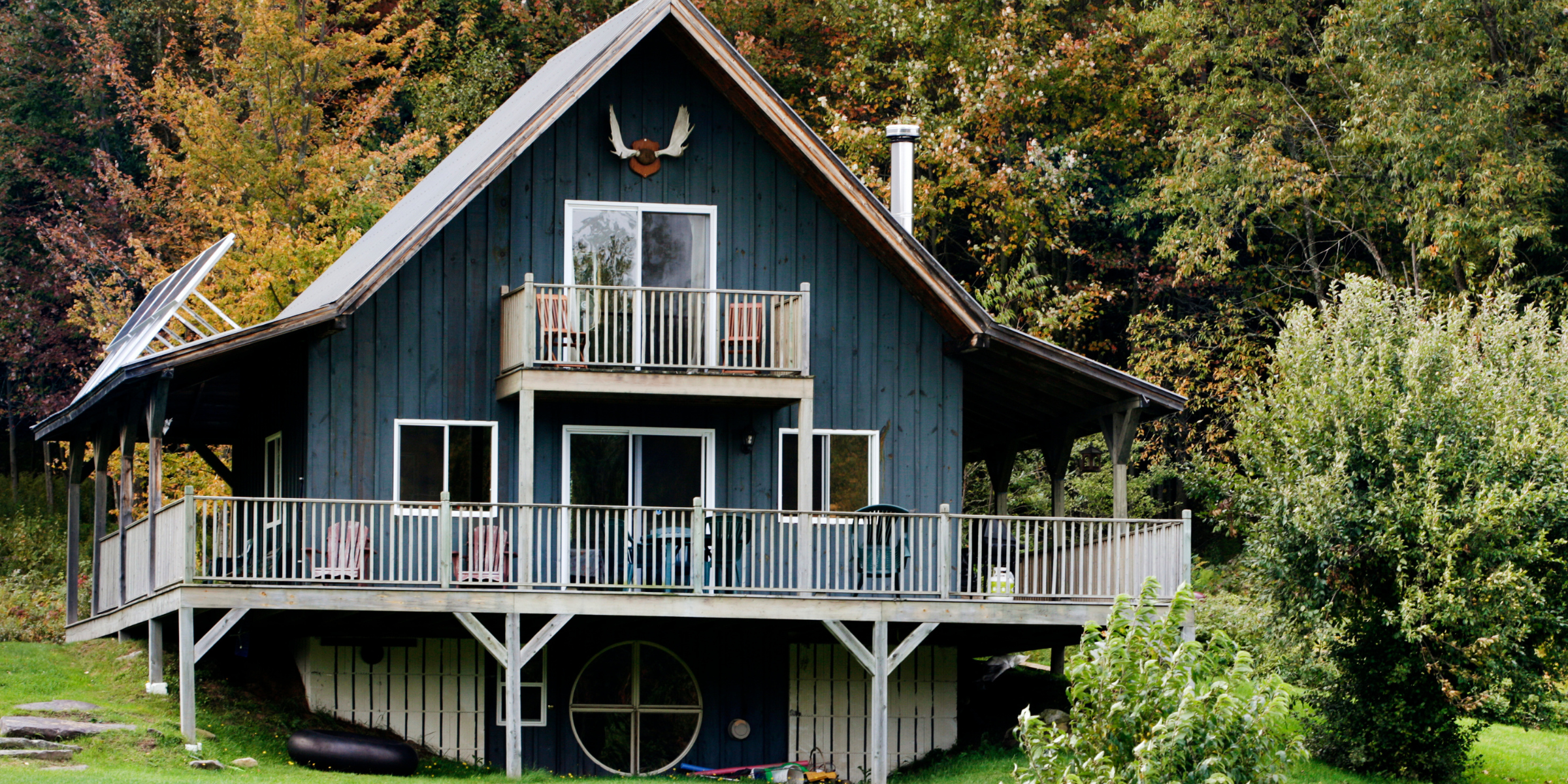
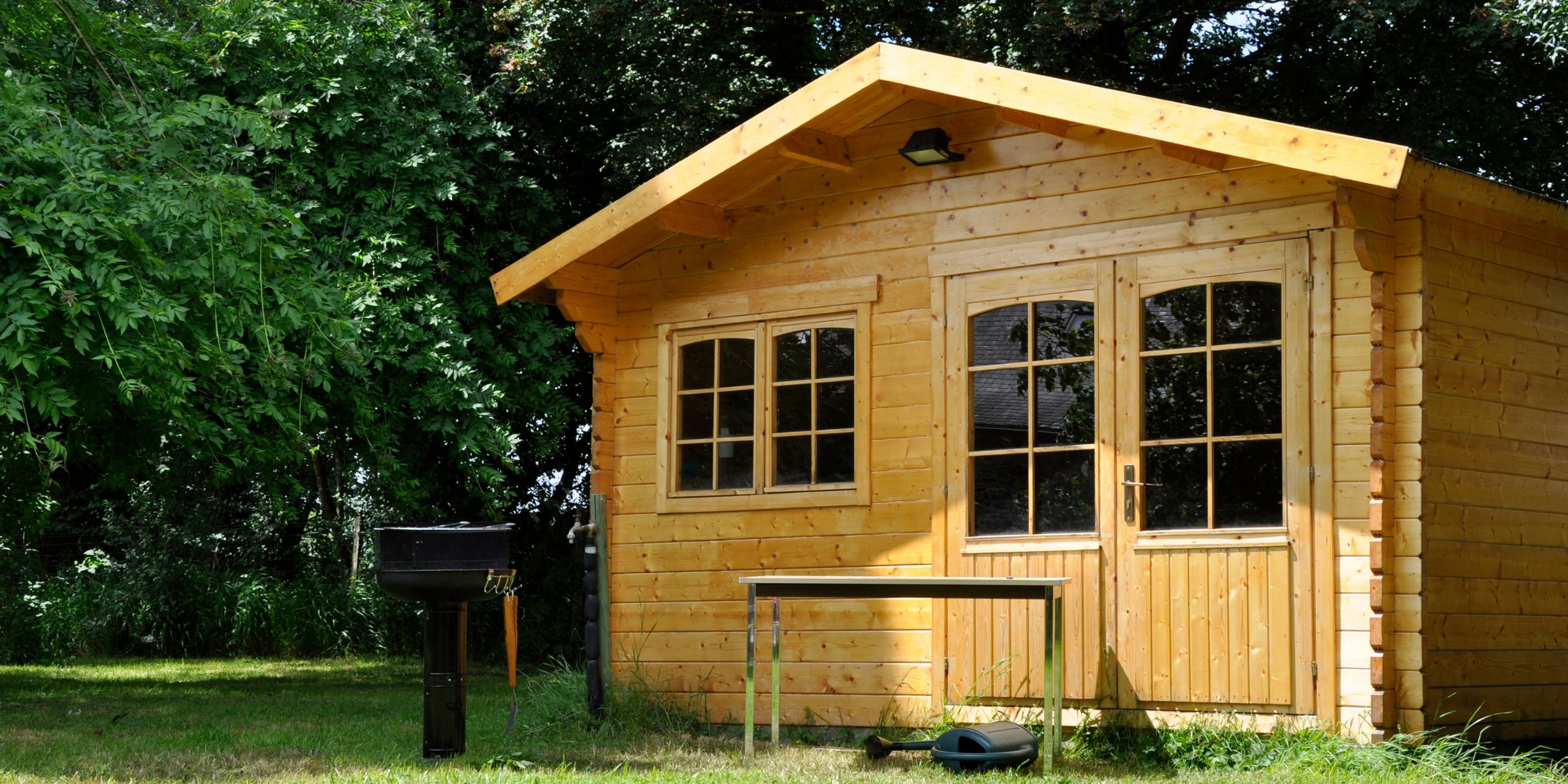
He had crossed the lake behind our family lake house more times than I could count.
He had done it in bad weather, in cold water, and even once during a storm that scared my mother half to death.
Then one mild evening, he supposedly slipped into the water and never came back up.
There were no witnesses and no clear explanation.
Just a closed case and a family that stopped saying his name.
For years, I thought that silence was grief.
Now I know it was something else too.
My mother remarried four years later.
My stepfather, Paul, was a good man.
He never tried to replace my father.
He came into our lives slowly, carefully, and let me decide what I wanted to call him.
I called him Paul, even after I grew up, got married, and had kids of my own.
My mother is 65 now, and Paul is 70.
My father has been dead for 27 years.
Yesterday, I got an email that changed everything.
There was no subject line.
No name I recognized.
Just a video attachment and one line beneath it. "I'm sorry."
I almost deleted it because it looked like spam.
But something about those two words stopped me.
So, I opened the video.
The screen was dark at first, and then I saw a dim room.
A chair and a man sitting just outside the light.
My hands started shaking before he even moved.
I don't know why. Maybe some part of me recognized him before my brain did.
Then he leaned forward, and I stopped breathing.
He was old, much older than the man I remembered.
His face was thin, and his cheeks had hollowed out.
His hair was almost completely gray, but the eyes were the same.
So was the small scar over his left eyebrow.
I had memorized that scar as a child because I used to trace it with my finger.
I once asked him how he got it, and he said, "Bad decisions and a bicycle."
My father looked directly into the camera, and then he said my name.
The man on the screen was breathing slowly.
He looked exhausted.
Then he said, "I'm sorry."
I had almost forgotten how my father's voice sounded.
He continued.
"What I'm about to tell you will make you angry. You deserve to be angry. I hope one day you can forgive me, but I don't expect you to."
He paused to catch his breath. "If you're watching this, I'm gone."
My chest tightened.
"I have stage four pancreatic cancer. By the time I recorded this, there wasn't much left for the doctors to do. I asked my nurse to send this video to you after I die."
Death was facing me again.
I thought my father had been dead for 27 years.
He was alive all that time, and now he was dead.
My mind couldn't settle on any one reality.
He said, "I could have tried contacting you before this despite the risk. I could have found a way years ago. That's the part I regret the most."
He rubbed his hands together. "I stayed away to protect you and your mother."
I whispered, "Why did you leave us? What happened to you?"
Then he answered the question I had carried since I was 11.
"I didn't drown."
I couldn't believe that my doubts were actually true.
I never believed that my dad, a strong swimmer, drowned.
"I staged it."
I covered my mouth. The room around me disappeared.
He kept talking. "After my father died, I inherited the lake house. You know that part. What you don't know is that I almost never went there alone."
My memory was foggy, but I remembered always being there with my parents.
"Usually, if I went, your mother came. Or you came."
My mind went back to the night my father drowned.
He said, "One evening, after a long day at work, I drove out there without telling anyone, just to unwind."
I remembered that day.
"I wanted quiet," he said. "That was all."
He looked down for a second. "When I got there, I saw lights near the dock."
His voice changed. "I thought maybe teenagers had broken in. Then I saw men unloading crates from a boat."
I leaned closer to the screen. "They were rough-looking, and my instincts told me to hide. So, I stayed behind the trees and watched."
He said that they moved the crates into the garage.
"I didn't know who they were. I only knew something was wrong."
He said he waited until they left.
Then he went inside.
He looked around and didn't see any crates.
He wondered where they were hidden.
After searching for a while, he found a panel on the wall that did not match the rest of the structure.
He pulled it open and found the crates.
Inside were weapons and packages of illegal drugs.
He understood immediately that this wasn't some local criminal hiding a few things.
"I had heard rumors," he said. "Everyone in the area had."
My father said that people talked about shipments moving through the lake region.
However, nobody said names, and nobody asked questions.
They knew what happened to those who did.
He shook his head. "I don't know if my father knew that compartment existed. I still don't know."
I couldn't imagine my grandfather agreeing to this.
"Maybe he did. Maybe whoever was using the property had access before he died. I never found out."
Then he said something that made my stomach twist. "While I was standing there, a phone rang."
One of the men had accidentally left it behind.
He heard voices outside seconds later. They had come back looking for the phone.
That's how they found him. He had nowhere to hide or run.
My father stopped talking for a moment.
He looked toward someone off camera, maybe the nurse.
Then back at me. "They should have killed me."
I felt cold. "One of them wanted to."
He swallowed. "But another man said I was more useful alive."
They knew who my father was. They knew the property belonged to him.
They knew he had a wife and a son.
That was the part that made me grip the edge of the table.
"They told me I could keep living," Dad said. "But the lake house belonged to them, whether the paperwork said my name or not."
They said he would work with them now.
They would only come by once in a while so as not to raise suspicions.
My father's work was to receive shipments.
Open the garage and make sure nobody interfered.
Most importantly, he was to keep quiet.
If he cooperated, they would leave us alone.
If he didn't, they knew where we lived.
I had never heard my father sound afraid when I was a child.
Even in that old video, 27 years later, I could hear the fear.
"I agreed."
I closed my eyes.
"What else could I do?" he said. "That's what I told myself."
For several months, he cooperated.
He pretended nothing was wrong.
He went to work. He ate dinner with us. He helped me with homework.
And sometimes, late at night, he drove to the lake house and waited for a delivery of weapons and drugs.
His voice cracked. "I hated myself."
He said, "I would come home and look at you sleeping and think, what kind of father am I now?"
He thought about going to the police.
But the men would occasionally remind him that they were in charge.
One of the men mentioned the name of my elementary school.
Just casually. No threat was spoken directly.
Another man hinted at how they paid the police to protect them.
They didn't need to threaten him directly. Dad knew what it meant.
"They were reminding me that they knew everything."
Then one night he left the house knowing he wasn't coming back.
He knew he had to disappear. Drowning was his plan.
He left his truck near the lake house.
He put his shoes and jacket near the dock.
He took a small boat across part of the lake and abandoned it in reeds.
He then walked for miles to a road where he hitched a ride out of town.
He had left enough signs to suggest he had gone into the water.
I remembered how search teams spent days looking for him.
Divers went into the lake, and boats crossed the water from morning until dark.
They never found his body. Eventually, the authorities concluded that he had drowned.
My mom accepted this conclusion. I never did.
However, she always cried so hard that I could never bring up my suspicions.
Eventually, after a small memorial, she and the rest of the family simply stopped talking about Dad.
All this time, we mourned and grieved for a person who was alive.
He was a person I had just discovered was alive, but was now dead.
My father continued. "I moved several states away."
He used another name. He worked cash jobs first, and then legitimate ones.
He was always quiet and careful.
For the first few years, he was convinced the men would come looking.
When they didn't, he assumed they had believed he died.
He knew if they held this belief, they wouldn't come after Mom and me.
All he had to do was stay dead, and we would be safe.
"People think organizations like that forget," he said. "They don't. Leadership changes. Men die. Other men take over. But debts and betrayals get remembered. Sometimes passed down."
He looked directly at the camera.
"I knew if I came home, I might bring them to you."
His eyes filled. "At first, I stayed away because I believed you were safer."
He rubbed at his face. "Then years passed. Your mother remarried, and you grew up."
I could see the pain in his eyes. The pain of missing parts of our lives.
"I could have tried contacting you sooner."
I whispered, "Yes."
"I could have found a lawyer. I could have reached out."
He nodded, almost like he heard me. "But I was ashamed. I had let you bury me."
His voice broke. "I had let my 11-year-old son believe his father was dead even though I disappeared for what I believed was a good reason."
I wiped my face. I hadn't realized I was crying.
"Every year I stayed gone made contacting you harder."
He said he checked on us. Not constantly, but enough.
After two years, he drove near where we lived about once a month.
He wore hats and glasses.
Sometimes grew a beard.
He watched from far away.
Never close enough for us or anyone else to notice.
After my mother remarried and moved us across the country, the visits became less frequent.
Then social media arrived.
He found me and saw my graduation photos.
My wedding.
The announcement after my first child was born.
He knew my son's name.
My daughter's name.
He knew where I worked.
"You looked happy," he said.
That sentence made me angry.
"You looked happy, and I told myself that meant I was right to stay away."
I stood up from the kitchen table.
The video kept playing.
"That was simply another lie I told myself."
He looked so tired. "I missed everything because I was afraid."
He breathed in slowly.
"I missed watching you become a man. I missed being there for your mother. I missed meeting your wife. Your children."
His voice cracked completely. "I missed being your father."
Then he gave me the nurse's name. Thomas.
A phone number.
"He knows who you are. He knows where I lived. He knows where I'll be buried."
Buried. That word hurt more than I expected.
Dad said, "You don't owe me anything. You don't have to visit. You don't have to forgive me."
He paused. "But I wanted you to know I didn't leave because I stopped loving you."
Then he looked into the camera. "I'm sorry, Gregory."
The video ended. I sat there for almost an hour.
Then I watched it again.
For three days, I told nobody.
My wife knew something was wrong.
I told her I needed time.
Mostly, I was angry.
He had been alive. When I graduated high school and when I got married.
When my son was born.
He had watched pieces of my life from a distance and decided not to let me know.
Part of me understood the danger.
Another part wanted to scream that danger had not lasted 27 years.
Eventually, I called my mother.
I asked her and Paul to come over.
When they arrived, I put the video on the television.
Mom recognized Dad before he spoke. She cried through most of it.
When Dad said he staged the drowning, Mom whispered, "Oh my goodness."
When the video ended, nobody spoke.
Then Mom said, "He was alive."
I nodded. "For all those years."
She covered her face.
Paul sat beside her with one hand on her back.
Then Mom surprised me.
She said, "I understand why he left."
I looked at her.
She lowered her hands, a heavy expression on her face.
"But I don't forgive him for staying gone."
That was exactly how I felt.
We contacted Thomas together.
He had been Dad's home health nurse for almost a year.
He confirmed everything he could.
Dad had died 10 days earlier.
The delay in sending the video had been deliberate.
Dad wanted time for the burial before we were contacted.
A week later, Mom, Paul, and I flew out.
Thomas met us at a small cemetery outside a town I had never heard of.
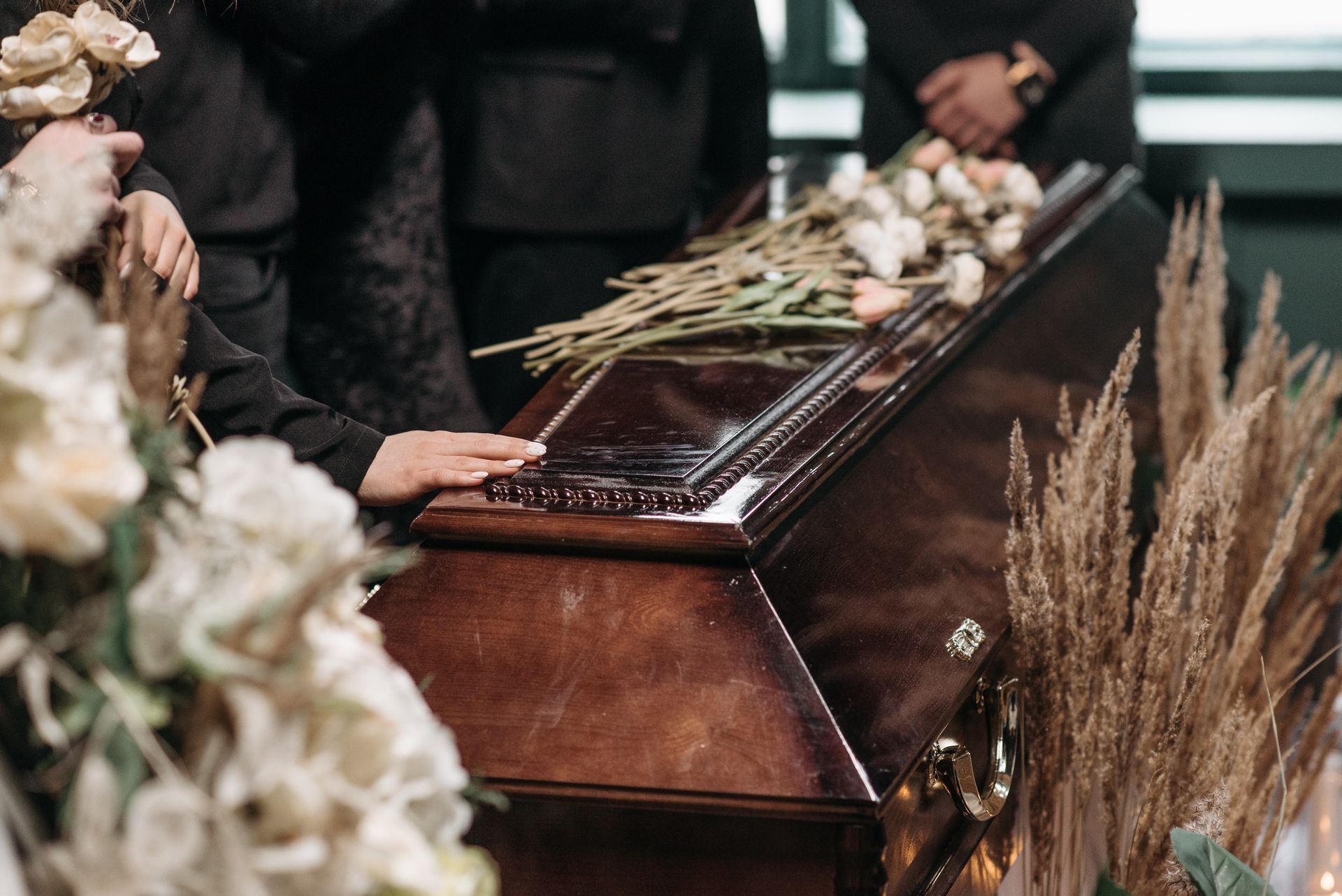
Dad's grave was simple.
His assumed name was on the stone.
Underneath it, in smaller letters, Thomas had added his real name after his death.
My mother touched the stone.
Then she cried.
I didn't. Not there.
Afterward, Thomas took us to Dad's house.
It was small. Two bedrooms and old furniture. Nothing expensive.
But the walls stopped me.
There were pictures everywhere.
Of my high school graduation.
A photo from my wedding.
My wife holding our son as a baby.
My daughter on her first day of kindergarten.
Mom at a birthday dinner.
They were from the public social media posts I made.
My whole life was on those walls. I hated it, and I loved it.
That was the worst part: even though he was gone, he never stopped loving me.
Mom stood in front of one picture of herself for a long time.
Paul stayed a few steps behind her.
He never looked threatened.
Never acted like Dad's memory erased the life he had built with her.
Finally, Mom said, "He really did watch us. Or over us."
As for me, I still don't know exactly what I feel.
Relief, because the mystery is gone. Anger, because the truth came too late.
Grief, because I lost my father twice. The first time was when I was 11.
The second time was when I learned he had been alive all along.
He died before I could ask him why fear had been stronger than love for so many years.
But I do have closure.
I know he did not drown.
I know he did not leave because he hated us.
I know he was afraid.
I also know fear can explain a choice without excusing every decision that follows.
Before we left the house, I put my hand on one of his pictures.
I didn't say I forgave him. I don't. Not yet.
I just said, "I know now."
For 27 years, that was all I wanted.
The truth.
It hurt more than I imagined.
But at least it finally belongs to me.
Do you think Gregory's father made the right choice by disappearing to protect his family, even though that choice forced them to mourn him for decades?
Here's another story you might enjoy if you liked this one: My brother walked out the door for prom night and never came home. Twenty-three years of silence, no answers, no closure. Then, 3,000 miles away, I locked eyes with a teenage stranger who had his exact face. What would you do if the past looked back at you?