
Nobody Expected the Principal to Stop the Graduation Ceremony for a Late Father – What He Said Next Left the Entire Room Speechless
Jun 16, 2026




The doctor had just told me I had cancer when a homeless man walked into his office carrying a metal briefcase. I recognized him immediately. Then he opened the case and revealed a hundred thousand dollars in cash, along with a secret my mother had hidden for decades.
Advertisement
I was still trying to process the word.
Cancer.
It didn't sound real, not sitting there in his office with the rain tapping against the window.
A month earlier, I'd believed the worst thing that could happen to me had already happened.
My husband left three weeks after my miscarriage.
He packed a suitcase, stood in our kitchen, and told me he couldn't do this anymore.
"I can't keep watching you suffer," he said. Then he left. I never saw him again.
After that, I started visiting doctors regularly, looking for answers. I wanted to know why I'd lost the baby, and whether I could ever have children. Instead, they found something else, something far worse.
The diagnosis came on a rainy Tuesday morning, and the doctor called me himself. That alone scared me. Doctors don't usually call personally.
"We received your results," he said, and I already knew from his voice that the answer wasn't good.
Advertisement
"I'm sorry."
I sat down at my kitchen table while the rain kept tapping at the glass. "The diagnosis has been confirmed," he said, and my fingers tightened around the phone.
Then he explained everything: treatment, specialists, timelines, risks. I barely heard any of it. Only one number caught my attention.
A hundred and fifty thousand dollars. Maybe more.
I thought I'd misheard him. "How much?" He repeated it, and a laugh slipped out of me that had nothing to do with humor. The number just sounded impossible.
"I don't have that kind of money."
"I know."
"What am I supposed to do?"
"Come to the hospital." His voice softened. "We need to discuss your options."
An hour later, I sat across from him, asking the same question over and over. "There has to be another way."
He didn't answer right away. Finally, he folded his hands. "I wish there was."
Advertisement
That was when somebody knocked on the door. The doctor glanced up. "Come in."
The door opened, and an elderly man stepped inside. His beard was gray, his coat was worn, and his shoes looked like they'd survived 20 winters. Most people would have called him homeless.
I stared at him, then froze.
I knew him.
The doctor noticed immediately. "You know this man?"
The old man smiled. "Hello, Dahlia."
I hadn't heard that voice in years. "What are you doing here?"
Instead of answering, he walked to the doctor's desk and set an old metal briefcase on top. The locks clicked open, and the doctor leaned forward.
So did I.
The briefcase was full of cash, bundle after bundle. The doctor looked at me, then at him, then back at the money.
The old man nodded. "That should help."
Nobody spoke until the doctor finally cleared his throat. "What exactly is happening here?"
Advertisement
The old man closed the briefcase and looked at me. "We need to talk."
Twenty minutes later, I sat with him in the hospital cafeteria, the briefcase between us. I still couldn't believe it was real.
"Where did you get that money?"
"It isn't mine."
That wasn't the answer I expected. "Then whose is it?"
"I'll tell you." He stirred his coffee. "But first, tell me something."
"What?"
"Do you remember me?"
Of course, I remembered him. His name was Walter. Five years earlier, I'd worked at a downtown diner, and Walter came in almost every day. He never had much money, and sometimes he couldn't pay at all. Most customers ignored him. A few complained.
One manager wanted to ban him outright.
I never did. I gave him free coffee, sometimes pie, sometimes leftovers. Nothing special, just food.
Walter smiled. "You were the only person who treated me like a human being."
Advertisement
I shook my head. "That doesn't explain this."
"No." He nodded toward the briefcase. "It doesn't."
I leaned forward. "Then explain it."
Walter looked around, then lowered his voice. "About a month ago, somebody hired me."
"Hired you?"
"To find a woman."
I frowned. "What woman?"
"You."
"Why?"
"I didn't know at first."
"Who hired you?"
"I didn't know that either."
I stared at him. "You've been looking for me all this time?"
Walter nodded. "Yes."
"Why would anyone do that?"
"I asked the same thing." He took a sip of coffee. "The person paying me never explained."
Advertisement
"Who?"
Walter shook his head. "You'll meet him soon. That's all I'm saying."
I waited, but Walter wasn't talking, and I could tell that much was true. Walter knew everyone: shelters, volunteers, security guards, and church workers. People talked to him.
People trusted him.
"All I knew was that the woman was named Dahlia."
My pulse quickened. "Me."
"Yes."
"Why?"
Walter spread his hands. "I didn't know."
"And now?"
"Now I do."
I waited. Walter looked at me carefully. "Have you ever wondered why your mother never talked about her family?"
I blinked. "My mother?"
He nodded. "Answer the question."
Actually, I had wondered many times. My mother never discussed her childhood, never her parents, never any relatives. Whenever I asked, she changed the subject.
Advertisement
"I thought she was private."
Walter gave a sad smile.
"No." He paused. "She was hiding something."
An hour later, Walter took me to a law office across town, where a lawyer was already waiting. He introduced himself as Mr. Reeves, then led us into a conference room.
I expected legal documents. Instead, he placed a photograph on the table, a young woman smiling at the camera. I recognized her immediately.
"My mother."
Then I noticed something else on the back. The lawyer turned the photograph over, and it was my mother's writing, beside a name I'd never seen before.
Michael.
Mr. Reeves nodded. Beside her in the picture stood a teenage boy I'd never seen before.
"Who is that?"
The lawyer folded his hands. "Your uncle."
I laughed. "I don't have an uncle."
"Actually, you do."
Advertisement
I stopped laughing.
The lawyer slid one photograph across the table, then another, then another. Every picture showed the same boy growing older, first a young man, then he was middle-aged, then older still.
Every photograph carried the same name. "Your mother's brother," the lawyer said.
"If he existed, why didn't my mother ever mention him?"
The lawyer didn't answer right away. Instead, he slid a newspaper clipping across the table. "Because of this."
I looked at Walter, then back at the lawyer. "This isn't possible."
"It is."
"No."
"My records say otherwise."
I stared at the photographs, then at the lawyer. "Why didn't she tell me?"
Mr. Reeves sighed. "Because she left home when she was 17."
"Lots of people leave home."
"She took something with her."
Advertisement
I frowned. "What?"
The lawyer opened a folder and pulled out a newspaper article. My eyes moved across the page and stopped. It described a missing inheritance from nearly 40 years earlier: money, property, investments, all of it vanished.
The primary suspect was my grandfather's daughter. I looked at the article again, and then I saw the name.
My mother.
"No." I looked up. "This can't be right."
Mr. Reeves nodded slowly. "Your mother took the inheritance and disappeared."
I stared at him. "Why?"
"Nobody knows."
I thought about my mother, the woman who worked double shifts, who clipped coupons, who worried over every dollar. None of this made any sense.
"If she stole millions, where did it go?"
"That's the mystery."
Mr. Reeves pointed toward a photograph of Michael standing beside a mailbox, waiting, looking older and tired. "Your uncle spent decades trying to find her."
Advertisement
"He never wanted the money back."
"What did he want?"
The lawyer's expression softened. "His sister."
I didn't know what to say. Then another question surfaced. "If he spent decades looking for her, what happened when he finally found her?"
Mr. Reeves looked away.
"That's a story Michael should tell himself."
For a moment, nobody spoke.
Then I remembered something. "Where is he now?"
Walter and the lawyer exchanged a look, and neither answered.
I noticed.
"Where is my uncle?"
Mr. Reeves finally pushed a document across the table. I looked down at the hospital records, and my eyes found the name. Michael. Then the diagnosis.
My blood ran cold: cancer, in the same hospital, on the same floor, the same disease as mine.
Advertisement
"He knew about me?"
Mr. Reeves nodded. "He found out about you six months ago."
"And?"
"He wanted to meet you."
I stood up. "Take me to him."
Ten minutes later, I stepped into a hospital room where an older man sat by the window. The moment he saw me, he stood, then froze.
For several seconds, he didn't move, and neither did I, because I finally understood something. He wasn't looking at me. He was looking at my mother, or someone who looked exactly like her.
His eyes filled with tears. "Dahla."
I shook my head. "Dahlia."
He laughed softly. "Sorry." Then he sat back down, looking exhausted, older than the photographs, and sicker too.
I pulled up a chair, and neither of us knew what to say. Finally, he smiled. "You have her eyes."
I looked away. "My mother never mentioned you."
Advertisement
"I know."
"Did she really take the inheritance?"
Michael surprised me. He laughed. "No."
I blinked. "What?"
"No." He shook his head. "That's the story everyone believed."
I looked at the lawyer. He nodded. "Everyone except Michael."
Now I was confused again. "Then what happened?"
Michael leaned back. "The money disappeared."
"I know."
"But my father disappeared too."
I frowned. "What?"
"My father took everything." That detail had never made it into the newspaper. "Then he blamed my sister."
The pieces started shifting. "He framed her?"
"Yes."
I sat there quietly while my mother suddenly made more sense, the silence, the secrecy, the fear, all of it falling into place.
Advertisement
"She ran because nobody believed her."
Michael nodded. "Exactly."
"And you?"
"I believed her." He smiled sadly. "But by the time I found proof, she was already gone."
Michael pointed toward the briefcase. "The money."
"Why did Walter bring that briefcase?"
Michael smiled. "Because I told him to."
I looked at it. "What about it?"
"Open it."
I did. Under the cash sat a folder I hadn't noticed before. Michael nodded. "Go ahead."
I opened it. Inside were account documents, property records, investment statements, page after page. Then I saw the final total, and I stopped turning pages.
The number was enormous, $150, 000, far larger than anything I'd expected.
"What is this?"
Michael smiled. "The inheritance."
Advertisement
I stared at him.
The real inheritance.
"You found it?"
"Years ago."
"Then why keep searching for Mom?"
His answer came immediately. "Because I wanted family more than money."
I looked at him. "Then why didn't you find her?"
Michael was quiet for a moment, and then he surprised me. "I did."
I stared at him. "What?"
"I found your mother six years ago."
For a second, I couldn't speak. "You found her?"
He nodded. "I wanted to tell you the truth. More than once. But she was my sister, and I gave her my word."
"Why?"
Michael smiled sadly. "Because she wanted you to have a normal life."
"Without all this." He gestured toward the papers, the inheritance, the accusations, the years of family feud. "She thought she was protecting you."
Advertisement
I looked down at the photograph in my hands. Michael looked at me, then at the hospital bracelet around my wrist.
"I heard they were running tests a few weeks ago." The smile disappeared from his face. "When I learned something was wrong, I told Walter to find you immediately."
I looked at Walter. The old man shrugged. "Took me three weeks."
I laughed, for the first time in days, actually laughed.
Then Michael reached into his pocket and pulled out a worn photograph: my mother, him, and two children. I had never seen it before.
"We were supposed to grow old together as a family." His voice cracked slightly. "Life had other plans."
I looked at the picture, then at him, then at Walter, the homeless man who refused to give up looking, the uncle I never knew existed, the mother whose story had never been told. Suddenly, the cancer wasn't the entire story anymore.
Not even close.
Michael smiled. "You should probably start treatment."
I laughed again. "Probably."
Advertisement
The following week, treatment began, and after that, everything moved quickly. The hospital scheduled appointments, specialists called, and paperwork appeared.
For the first time since my diagnosis, nobody was asking whether I could afford treatment. They were asking when I could start.
Michael came whenever he felt strong enough. Walter came whenever he felt like it, which was often.
One afternoon, I arrived for an appointment and found Walter arguing with a nurse.
"You can't bring that in here."
"It's a plant."
"It's six feet tall."
"It needs sunlight."
The nurse pointed toward the door, Walter toward the plant, and eventually both of them looked at me. I laughed. The plant stayed.
The treatments weren't easy, and some days were harder than others. But every time things felt overwhelming, somebody was there, sometimes Michael, sometimes Walter, sometimes both.
One day, while we sat together in the hospital cafeteria, I asked Michael something that had been bothering me for weeks. "Why Walter?"
Advertisement
Michael smiled. "What do you mean?"
"Out of everyone in the world, why did you trust him to find me?"
Walter answered before Michael could.
"Because I'm charming."
Michael laughed. "No." Walter looked offended, and Michael pointed at him. "Because he never gave up."
Walter's smile faded, and for a moment, he looked uncomfortable. Michael continued. "I hired private investigators. I hired search firms. I hired people with far more experience." He glanced at Walter. "They all quit."


Walter looked down at his coffee. "But not him."
I turned toward him. "Why didn't you quit?"
Walter shrugged. "You gave me free pie."
I laughed.
He continued. "Nobody else remembered my name. You did. That mattered."
"I'm serious."
"So am I." He looked at me. "You were kind when nobody else was." Then he took another sip of coffee. "As far as I'm concerned, that made you worth finding."
Advertisement
Three months later, Michael's condition worsened. He spent more time in the hospital, less time outside.
One evening, I visited him after treatment and found him looking through old photographs, the same ones the lawyer had shown me of my mother, their childhood, their family.
Michael handed me one. My mother couldn't have been older than 12, and she was smiling. I'd seen very few photographs of her smiling like that.
"She talked about you," Michael said quietly.
I looked up. "What?"
"The last time we spoke." I waited. Michael smiled. "She said if she ever had a daughter, she'd be stubborn."
I laughed. "Sounds like her."
"It does."
For a few minutes, we sat there looking through the photographs. Then Michael handed me a small envelope.
"What's this?"
"Open it later."
I almost asked more questions, but then I remembered everything we'd spent months uncovering. Some answers could wait.
Advertisement
A few weeks later, my doctors gave me good news.
The treatment was working, and the tumors had shrunk significantly.
When I told Michael, he closed his eyes and smiled. When I told Walter, he immediately asked if that meant I was buying dinner. Some things never changed.
Then, one morning, I got a call from the hospital. I already knew why they were calling. By the time I arrived, Michael was gone.
The funeral was small and simple, exactly the way he wanted it. The lawyer attended. Walter attended. A few old friends attended.
Afterward, Walter and I sat together on a park bench, and for a while neither of us spoke. Then he nodded toward my purse. "You ever open that envelope?"
I had forgotten about it. That night, I finally did.
Inside was a letter, only a few lines long.
"Dahlia,"
"If you're reading this, then Walter is probably stealing hospital cookies again."
"There is one thing I need you to know. Your mother never stopped loving you. Every decision she made was about protecting you, even the wrong ones."
Advertisement
"Don't spend your life looking backward. She already did enough of that for both of us."
"Love, Michael"
I read the letter three times, then placed it back inside the envelope.
Six months later, I sat across from my doctor while he reviewed the latest scans. Then he smiled. "Everything looks good."
I waited. He nodded. "The cancer is in remission."
For a second, neither of us said anything. Then I laughed, and the doctor laughed too.
When I left the office, Walter was waiting in the hallway. He stood up immediately. "Well?"
I showed him the report. He adjusted his glasses, read the first page, then the second, then the first again. Finally, he grinned. "I knew it."
"You did not."
"I absolutely did."
"You failed high school."
"That's not relevant."
We walked outside together while the afternoon sun shone. People hurried past us, cars rolled through the parking lot, and everything looked ordinary.
Advertisement
Which made it perfect.
Looking back, most people focus on the briefcase: the money, the inheritance, the hospital bills. But none of those things were the real story.
The real story was that a homeless man remembered a small act of kindness. The real story was that an uncle never stopped trying to put his family back together. And the real story was that my mother had been protecting me all along.
The doctor thought the briefcase saved my life. Maybe it did.
But the truth is, the people behind it saved something bigger.
They gave me back a family I never knew I had.
Enjoyed the read? Here's another one you might like: When an unknown number called and the woman on the other end knew my birthday, my childhood street, and the nickname only my mother used, I assumed it was some scam. Then she told me her name, and a secret my family had buried for more than 30 years began to unravel.
Advertisement

Six days before my birthday, I found two identical diamond bracelets in my husband's closet. For nearly a week, I obsessed over who the second one was for. When my husband finally revealed the answer at my birthday dinner, I discovered something far more painful.
Jun 10, 2026

After my accident, Douglas made me feel chosen when he asked me to prom. Everyone praised him for his kindness, and I tried to believe it was real. But when the cameras stopped flashing, I overheard the truth behind his perfect smile.
Jun 15, 2026
I married Eleanor because I thought my mother was dying, and pride felt cheaper than losing her. But on our wedding night, I overheard one phone call that proved the woman I was trying to save had helped turn my love into a trap.
Jun 19, 2026
For nearly 3 weeks, I watched an older man with a shovel walk the fence behind my daughter's daycare every single morning. Everyone told me I was imagining things, but the day I finally followed him into the abandoned playground changed everything I thought I knew.
Jun 18, 2026
My husband surprised me with a brand-new car, and everyone said I should feel lucky. But when my best friend asked one simple question about the old car we'd shared for years, I discovered a secret that made me question everything I thought I knew about my marriage.
Jun 17, 2026

They had packed the metal box with friendship bracelets, movie tickets, and letters to their future selves before burying it behind the school in 2006. Twenty years later, they opened it expecting memories, but one new item inside turned the reunion into a reckoning no one was ready for.
Jun 15, 2026

My mother's 78th birthday wish was simple: one dinner at the Italian bistro her church friends loved. But the hostess took one look at her cane and worn handbag and called her "cheap" in front of a crowded dining room. Then a crash came from the kitchen — and everything changed.
Jun 18, 2026
The last thing I expected that morning was to discover that my daughter had made a heartbreaking sacrifice because of something she believed about her father. What I learned next left me stunned.
Jun 19, 2026

Gloria thought turning 40 might finally be the year her husband showed up for her in a real way. Instead, he wheeled her birthday cake into a crowded kitchen, smirked like he had invented cruelty, and wrote the end of their marriage in blue icing for everyone to see.
Jun 08, 2026

When the school's most mocked boy asked me to prom, everyone laughed—including my controlling older brother. I thought surviving the humiliation would be the hardest part. Then, at the end of our dance, Theo handed me a red folder and whispered, "Your brother is lying to you."
Jun 16, 2026
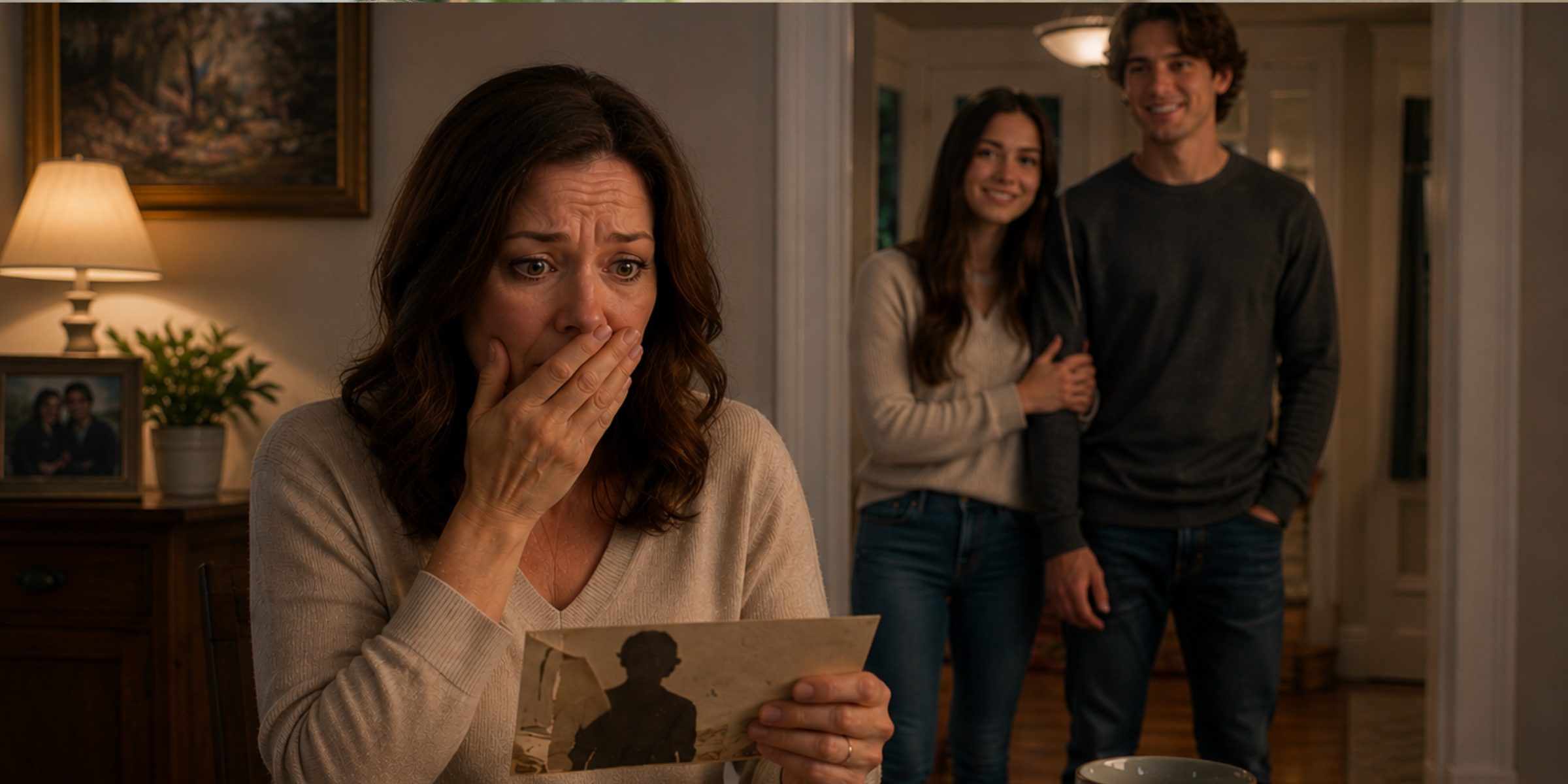
Twenty years earlier, I'd spent an entire weekend cutting my first love out of every photograph I owned. Then my daughter brought her new boyfriend home, and I nearly choked on my coffee. Because the young man standing beside her looked exactly like the man I'd spent two decades trying to forget.
Jun 15, 2026
Elena let the world believe she had married for money because telling the truth would have broken a promise to her mother. Then, after Arthur died, one sentence from his will turned a room full of smug mourners into stunned silence.
Jun 19, 2026
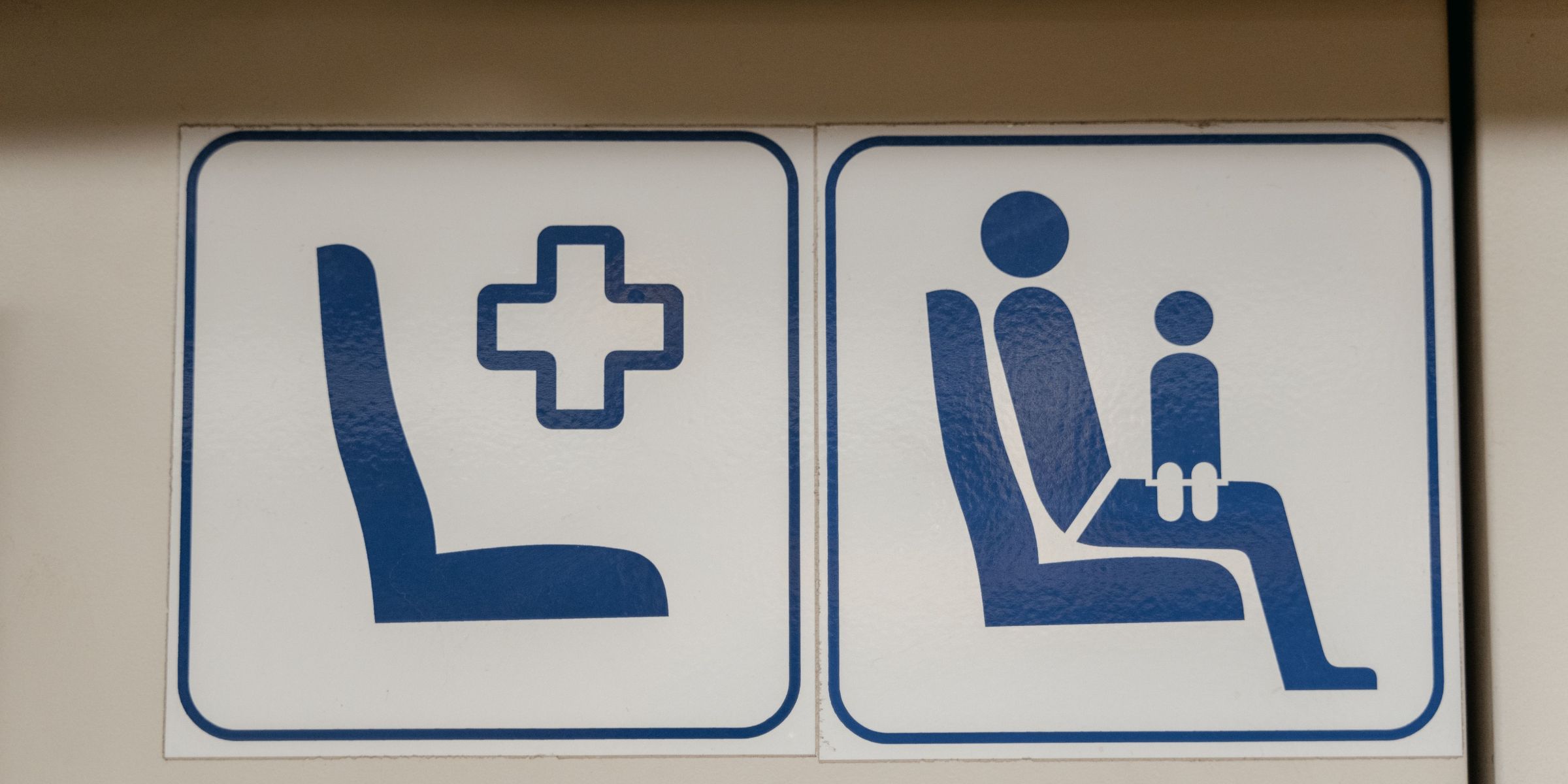
I'd learned to hide my pain so well that strangers thought it wasn’t real. So when a man in an expensive suit took my priority seat and called me a fraud, I walked away. But that afternoon, he learned exactly who he had humiliated.
Jun 17, 2026

When an unknown number called and the woman on the other end knew my birthday, my childhood street, and the nickname only my mother used, I assumed it was some kind of scam. Then she told me her name, and a secret my family had buried for more than 30 years began to unravel.
Jun 12, 2026