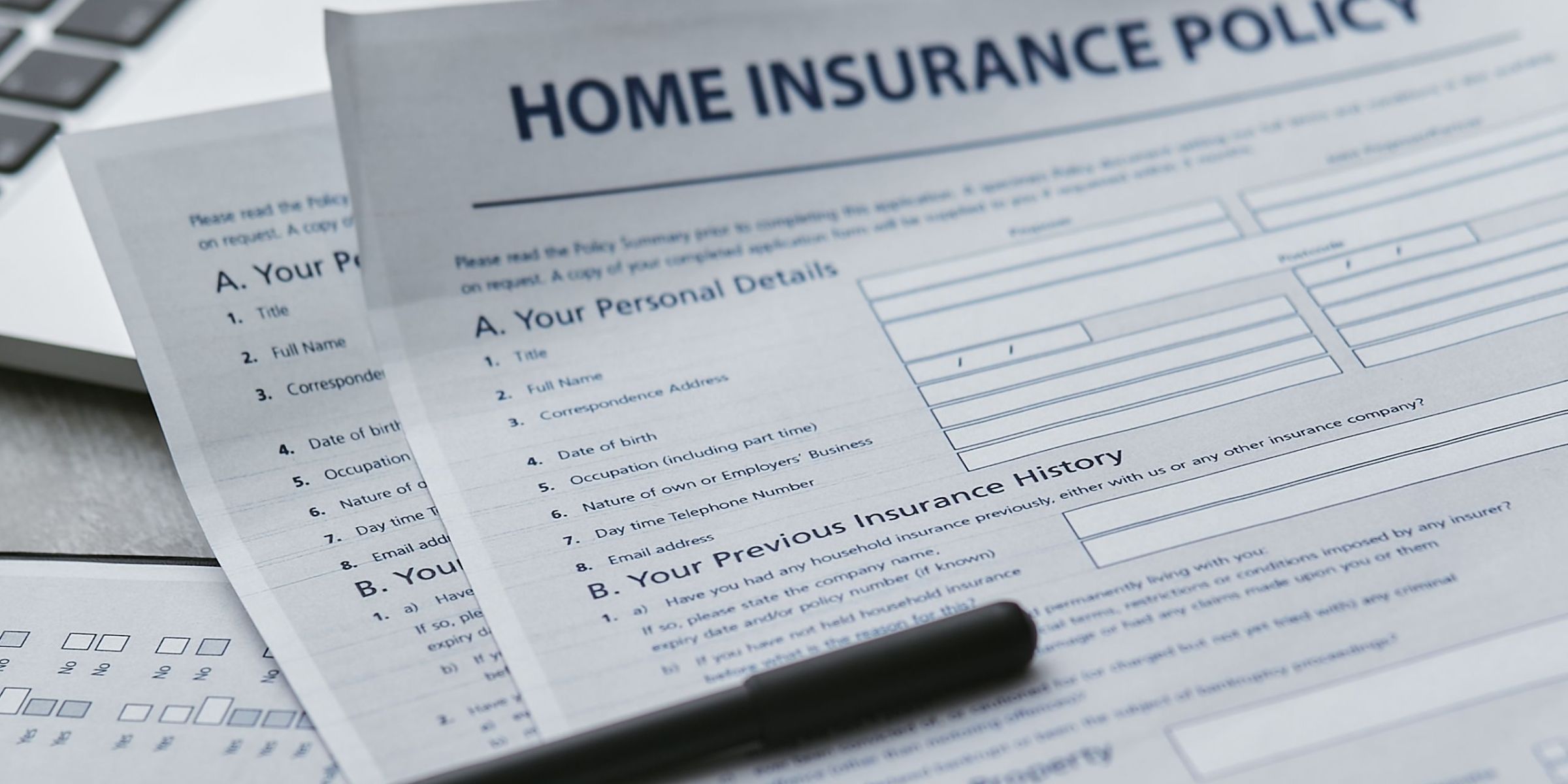
I Worked Nights for My Sick Husband's Treatment So Our Daughter Could Stay in Law School, Then One Message Made Me Open His Insurance Papers
Jun 16, 2026




Emma thought the strangest thing she would find after her mother's death was a box of old family memories. Instead, she uncovered evidence that someone had been planning her birthdays years into the future, and hiding a secret that had been waiting decades to be discovered.
Advertisement
Emma's birthday arrived wrapped in the kind of sadness she still hadn't learned how to carry.
Six months had passed since her mother died, yet every milestone seemed to sharpen the loss instead of softening it.
The morning sunlight streamed through the kitchen windows, warm and golden, but it couldn't fill the space her mother had left behind.
Emma came down the stairs in her socks, pausing on the bottom step.
Her father stood at the stove, frowning at a pan of pancakes that refused to look the way her mother's used to look.
"You're up early," he said, without turning.
"I smelled smoke," she said, raising her eyebrows.
"That is deeply unfair."
She almost smiled. "Mom flipped them with her wrist. You're using the whole arm!"
"Noted," he said.
He glanced over his shoulder, and for a second, his face did the thing it kept doing lately. Soft, then tired, then carefully arranged.
Advertisement
"Happy birthday, sweetheart!" he smiled.
"Thanks, Dad."
Emma crossed the kitchen and kissed his cheek, then lingered there a moment longer than she meant to.
"I made you something," she said. "I just need to wrap it. Do we still have that paper from Christmas?"
"It's in the office. Bottom drawer, I think. Your mother kept it in there."
"Okay."
She climbed the stairs slowly. The office door was open, the way he always left it now, as if closing any door in this house was too much of a decision.
Emma knelt by the desk and pulled the bottom drawer.
There was no wrapping paper. Just files, old tax things, and a stack of envelopes held together with a rubber band.
And, underneath all of it was a plain brown folder.
She almost slid it back. Then she saw the tab.
"EMMA, BIRTHDAYS."
Advertisement
Her own name was written in handwriting she would have known anywhere.
She felt her heart skip a beat as she sat down on the carpet.
The folder was heavier than it looked.
She rested it on her knees and opened the front cover, slowly, the way you open something you already suspect you should not.
There were receipts, dozens of them, neatly clipped. The first one was dated for two weeks from now.
It was a receipt for a yellow tulip delivery. They were her mother's favorite and now hers too.
She turned the page.
There was a second receipt dated for next year. The same florist, but a different arrangement.
Then another. Two years out. Then three.
She even found a letter, prepaid postage, scheduled for her 18th birthday. Then there was a small jewelry order tagged for her 21st.
"What is this?" Emma whispered to no one.
She kept turning.
Advertisement
She found a gift scheduled for her graduation, another for her first apartment, and even a custom order set to arrive nine years from now.
Then she saw plans for her wedding day — a milestone she had never even imagined yet, already accounted for in someone else's careful handwriting.
Her hands began to shake.
She turned faster. Ten years. Twelve. Thirteen.
"Dad," she said, too quietly for him to hear.
Fourteen.
Fifteen.
She reached the last page and stopped.
Fifteen birthdays had already been planned and paid for, each one waiting in someone else's calendar, ready to arrive years from now when she would no longer be the girl sitting on the carpet with the folder in her lap.
Her eyes filled before she understood why.
Whoever had done this had known they would not be there.
From downstairs, her father's voice drifted up the stairwell, gentle and unaware.
Advertisement
"Em? Pancakes are surviving. Come eat."
Emma closed the folder, pressed it to her chest, and stood.
She already knew she was about to break his morning in half.
She found her father at the kitchen table, half a cup of cold coffee in front of him, the morning paper still folded.
Without a word, she set the folder down on the wood between them.
He looked up, and his eyes went to the tab that had Emma's name on it. The color left his face in a single, slow wave.
He sat back in the chair as if the air had been pulled out of him.
"Dad."
He did not answer.
"Dad, what is this?"
He reached for the folder, then stopped, his hand resting beside it.
"Where did you find that?"
"In your office. The bottom drawer. I was looking for wrapping paper."
Advertisement
He nodded slowly, like a man hearing a verdict he had been waiting on.
"Why didn't you tell me?"
"Emma, I—"
"Fifteen years, Dad," she interrupted. "Fifteen. There are receipts in there for my wedding day."
Her voice cracked on the last word.
She had not meant for it to.
"You scheduled flowers for my graduation. You arranged a letter for my 30th birthday. Were you ever going to say anything, or were you just going to let them show up?"
"Emma, please sit down."
"No. Answer me."
She pressed her palms flat against the table to stop them from shaking.
"Is this some kind of grief thing? Do you think I can't handle losing her unless you keep her propped up with deliveries every year?"
"That's not what this is," he said.
"Then what is it?" Emma demanded.
Advertisement
He looked at the folder for a long moment.
"Those aren't from me," he said, unable to meet her eyes.
"What?" Emma blurted out.
"I said those aren't from me, Emma. I didn't arrange any of it."
"That's not funny."
"I'm not joking."
She stared at him. "Then who?"
He pulled the folder toward him with both hands. He opened it the way someone opens an old wound, carefully, knowing the shape of it.
"Your mother."
The word landed and stayed there.
"She started organizing all of it about two years before she died. Right after the diagnosis. Though I think some of it she'd been carrying much longer than that."
"That's not possible…" Emma gasped.
"She set up accounts with the florist. With the bookstore. With three different gift companies. She wrote the letters herself, by hand, every single one."
Advertisement
He turned a page in the folder. His finger traced a date.
"Some of them she could date. The milestones she knew were coming — birthdays, graduation, the anniversaries. Those go out on a schedule, automatic, year after year."
He turned the page again.
"The others she couldn't pin down. Your first apartment. Your first heartbreak. She didn't know when those would come, so she set up a service. When you're ready, you call a number. Someone answers, takes the message, releases the letter."
"A number?" she asked.
"It's in here somewhere," he said as he looked at the folder. "She wrote it down for me in case you ever asked."
Emma sank into the chair across from him.
"She did all of this," she whispered. "While she was sick."
"While she was dying."
"And you knew."
"I knew there was something. I didn't know how much. She didn't want me to. She said it had to be hers, that if I helped, it would feel like I was the one giving them to you."
Advertisement
Emma pressed the heels of her hands against her eyes.
For a long time, the only sound was the hum of the refrigerator.
When she opened her eyes again, her fingers moved over the folder almost without her permission.
She thumbed through the receipts a second time, slower now, reading her mother's handwriting in the margins.
Then she stopped.
Near the back, tucked between two pages, was an envelope she had missed the first time. It was sealed and heavy, with her mother's handwriting across the front. It read, "DO NOT DELIVER."
There was no date or name. Just those three words.
Emma turned it over in her hands.
"Dad. What is this one?"
He shook his head. "I don't know."
"You've never opened it?" she asked.
"She made me promise."
Emma looked down at her mother's handwriting and felt, for the first time that morning, that the folder on the table was not finished telling her things.
Advertisement
She turned the envelope over one last time before slipping it back between the pages.
"Not today," her father said.
Emma nodded, though every part of her wanted to break the seal. For now, she let it remain unopened.
The first delivery came two weeks later.
It was a small bouquet of yellow tulips, her mother's favorite, left on the porch by a confused courier who asked Emma to sign twice.
A letter followed on a Tuesday in October.
It was addressed to "My Emma, on the day your heart breaks for the first time."
Emma read it three times, sitting on the floor of her bedroom, laughing through tears at a heartbreak she had not yet had.
Each delivery was a small resurrection. Each one left a fresh ache behind.
But the sealed envelope sat in the folder like a held breath.
Emma began to dream about it. She would wake at three in the morning and pad downstairs to look at it, never opening it, never quite walking away.
Advertisement
One night her father found her at the kitchen table, the folder open in front of her.
"Emma. Please," he said.
"I just want to know," she pleaded.
"She wrote 'do not deliver' for a reason."
"And what if the reason was that she ran out of time?"
He sat down across from her. The overhead light made him look older than she remembered.
"Sweetheart. Your mother thought about every single thing in that folder. If she wanted us to open that envelope, she would have said so."
"Or she was afraid."
"Of what?"
"I don't know. That's why I want to look."
He reached across and closed the folder gently. "Some things she left behind were for you. This one wasn't. Let it be."
Emma stared at him. She had never argued with him since the funeral.
"You're scared of it too," she shrugged.
Advertisement
"Yes," he said. "I am."
"Of what?"
"Of losing the peace we just found. Of opening something we can't close again."
She wanted to be angry with him. She wanted to slam the folder and storm upstairs the way other girls her age did with their fathers.
Instead, she only said, "I miss her so much it makes me stupid sometimes."
"I know," her father nodded. "Me too."
They sat in silence for a long time. Then, he kissed the top of her head and went to bed.
But Emma did not sleep.
In the morning, she went into the spare room where her mother's things still sat in three labeled boxes. The jewelry box was on top, a little wooden thing her father had given her mother on their 10th anniversary.
Emma opened it.
It had earrings, a thin gold chain, and the pearl ring her mother wore on Sundays.
She lifted the velvet lining out of habit, the way she used to as a child, looking for hidden coins. But what she found in there was a small brass key. It looked like one that could open a safe deposit box.
Advertisement
The folder had mentioned a box, in passing, on the very last page. It was a line her father had read aloud and shrugged at, saying her mother probably kept old documents there.
Emma slid the key into her pocket.
She did not tell him. She told herself it was because he would worry, but deep down, she knew he would just say no.
It was early November before she finally went. The bank was three blocks from her school. She walked there on a Thursday afternoon, still in her uniform, the key warm in her fist.
The clerk checked the signature card and looked up at her, then back down. Her mother had added Emma as a co-signer two years ago, around the time of the diagnosis, with access set to activate two weeks back — the same day, Emma realized, the tulips had arrived on the porch.
The clerk asked for her student ID and her birth certificate, the documents her mother had told her to bring, and his small nod said he had been expecting her since the activation date.
He led her to a small private room.
"Take all the time you need," he said.
Advertisement
Emma sat down, and then she turned the key.
Inside was a thick brown envelope. Beneath it, photographs, the corners curled from age. Beneath those, a stack of legal papers and a slim report bound in plastic.
She lifted the first photograph.
It was a baby boy, wrapped in a blue hospital blanket, asleep against a nurse's shoulder. On the back, in her mother's handwriting, was a single line.


"My first son. April 4th. I was 17."
Emma's hand began to shake.
She set the photograph down and reached for the investigator's report.
The cover page was clipped neatly. A name. A current address. A photograph of a man in his late 40s, standing in a garden with a woman who must have been his wife.
Emma read the first paragraph.
Her mother had spent 28 years searching. She had found him six weeks before she died.
Emma closed the report and pressed her hands against her mouth, because somewhere in the quiet of that small bank room, she finally understood why one envelope had no date.
Advertisement
Emma walked through the front door with the documents pressed to her chest — the investigator's report, the photographs, and the legal papers she had slid into her school bag at the bank.
Her father looked up from the couch and went still.
"Did you know?" she asked.
"Know what?"
She placed the photographs on the coffee table. A baby boy. Adoption papers older than her parents' marriage.
Her father sank back, his hands shaking. "No. I swear to you, Emma. I never knew."
They opened the thick brown envelope from the bank box — three pages of her mother's handwriting explaining everything.
The sealed envelope from the folder, still marked DO NOT DELIVER, stayed closed on the table between them.
"She was 17," Emma whispered. "They made her give him up."
"Oh, Claire." Her father pressed the heels of his hands to his eyes. "Twenty-two years of marriage. Twenty-two years and she never — " His voice broke. "Did she think I wouldn't have held her through it?"
Advertisement
Emma turned the pages until she found the place. She read aloud: how Claire had been told by her own mother to never speak of it, how the shame had calcified into silence, how every year she waited made the telling feel more impossible, until the silence itself became the thing she couldn't undo.
Her father listened with his head bowed.
When she finished, he wiped his face.
"She looked for him her whole life," Emma said. "The investigator found him weeks before she died. She didn't want to disrupt his life. She didn't want to leave me with a brother she couldn't introduce."
Emma lifted the sealed envelope from the folder. "This was never for me. It was for him. And she couldn't send it."
The room went quiet. Her father reached for her hand.
"What do you want to do?"
"She asked us not to deliver," she said.
"She did," he nodded.
Emma stared at the envelope for a long time. "But she ran out of time, Dad. She didn't choose silence. Silence chose her."
Advertisement
"Then choose for yourself."
That night, Emma sat at the kitchen table and wrote her own letter, the investigator's file open beside her, his address copied in her mother's looping hand.
She introduced herself as a sister, told him about their mother, and left the next move entirely to him.
Three months later, a thin envelope arrived in the mailbox. Emma opened it on the porch.
It had a short note and a photograph of a man with her mother's eyes.
"He wrote back," she said, walking inside.
Her father stood up slowly. "What did he say?"
"That he wants to know her. Through me."
She placed the letter inside the folder, beside the receipts, and felt her mother's love stretch wider than it ever had.
If you enjoyed reading this story, here's another one you might like: For 15 years, I kept a candle burning in my window for a daughter who never came back. Then one morning, a small padded envelope arrived in my mailbox in her handwriting, and inside was a single faded yellow baby sock. What I found hidden inside it brought me to my knees on the kitchen floor.
Advertisement

The information in this article is not intended or implied to be a substitute for professional medical advice, diagnosis or treatment. All content, including text, and images contained on amoMedia.com, or available through amoMedia.com is for general information purposes only. amoMedia.com does not take responsibility for any action taken as a result of reading this article. Before undertaking any course of treatment please consult with your healthcare provider.
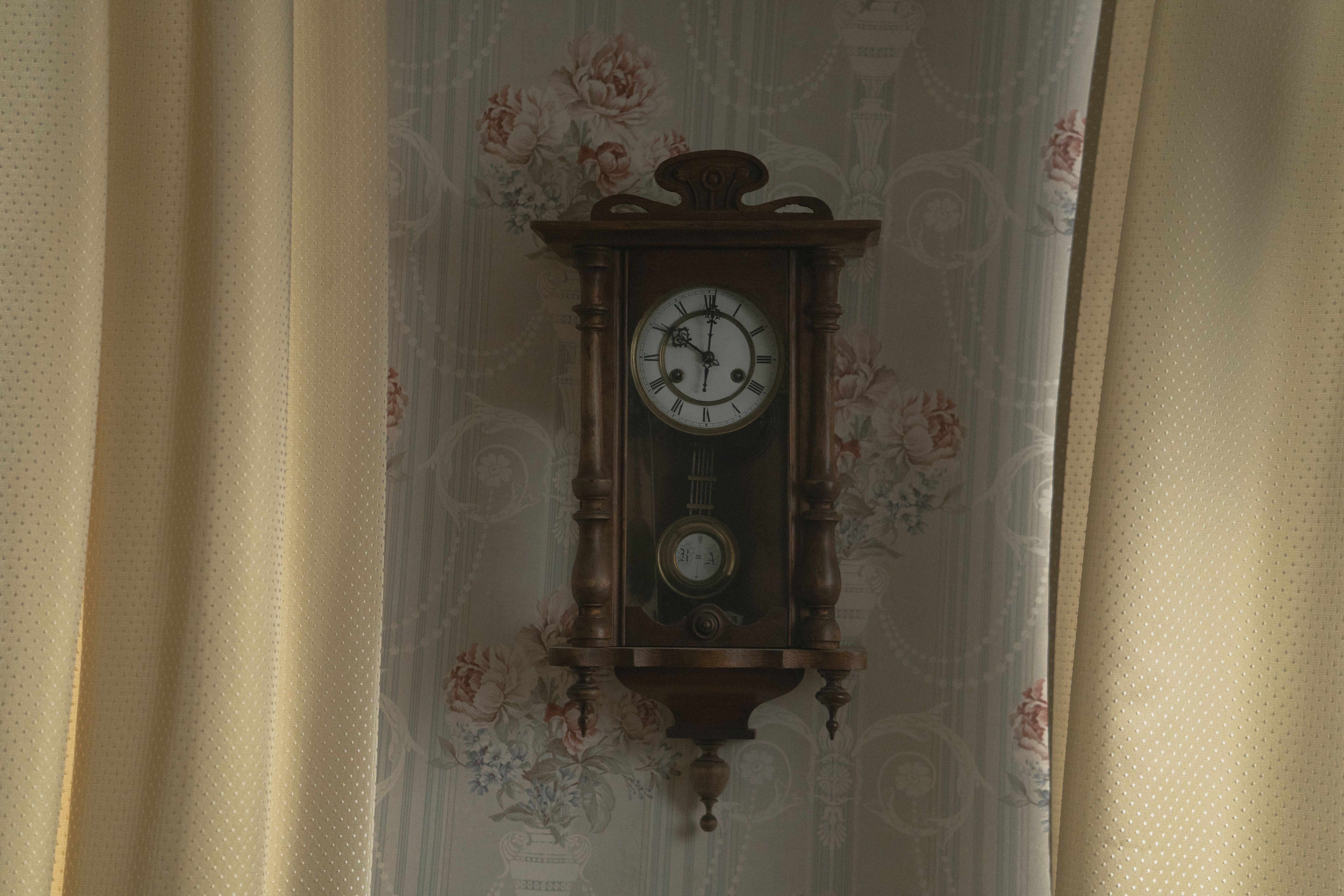
When my father died, my stepbrother got the house, the land, and the smile of a man who thought he had won. I got a cracked cedar clock, an old watch, and the feeling that something more was brewing behind the scenes.
Jul 01, 2026
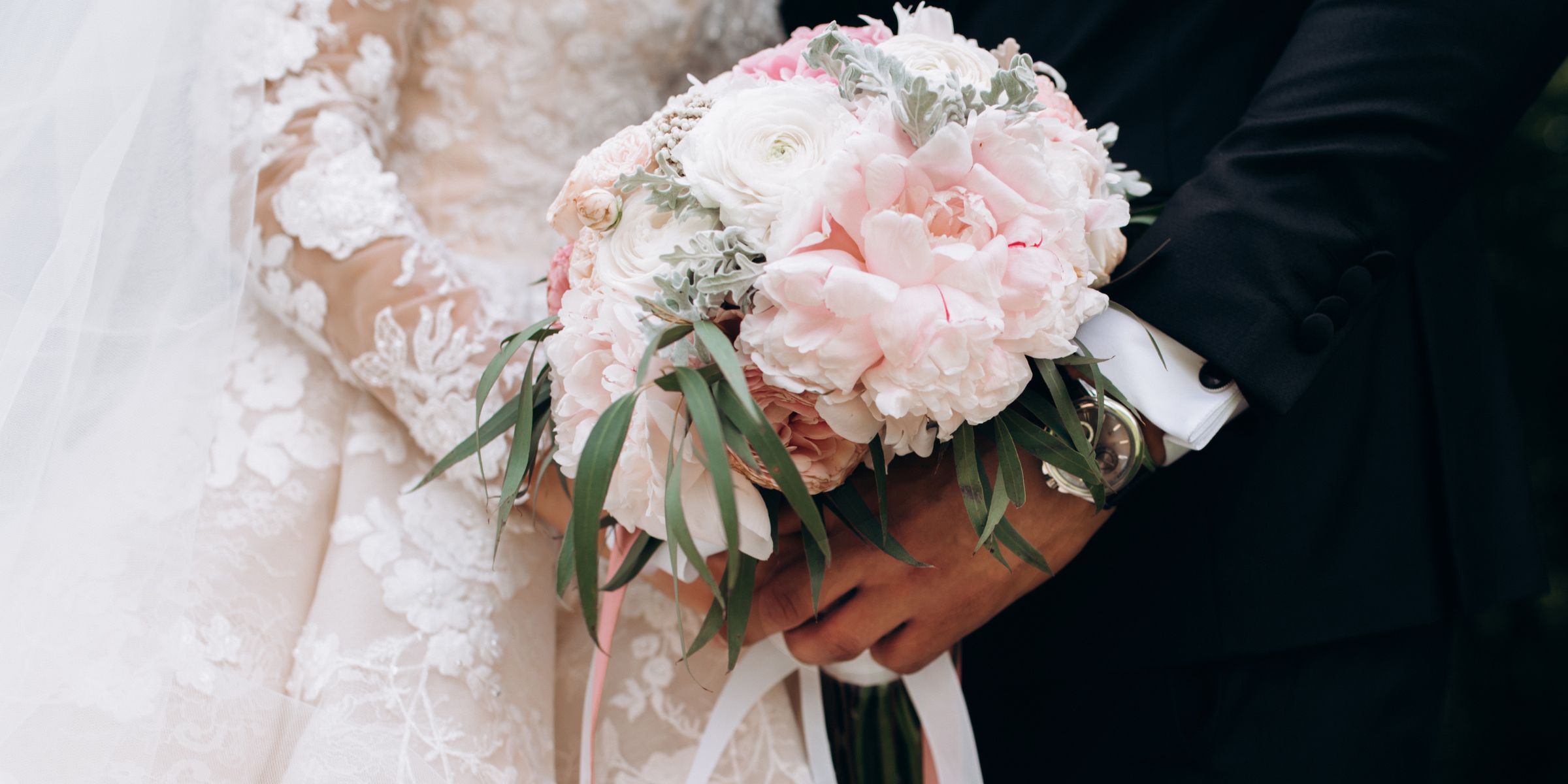
My uncle thought Grandma’s wedding envelope held money, so he called me selfish in front of everyone I loved and demanded I hand it over. I almost broke when he used my dad’s name against me. Then Grandma stepped forward, and the truth inside that envelope changed everything.
Jun 17, 2026
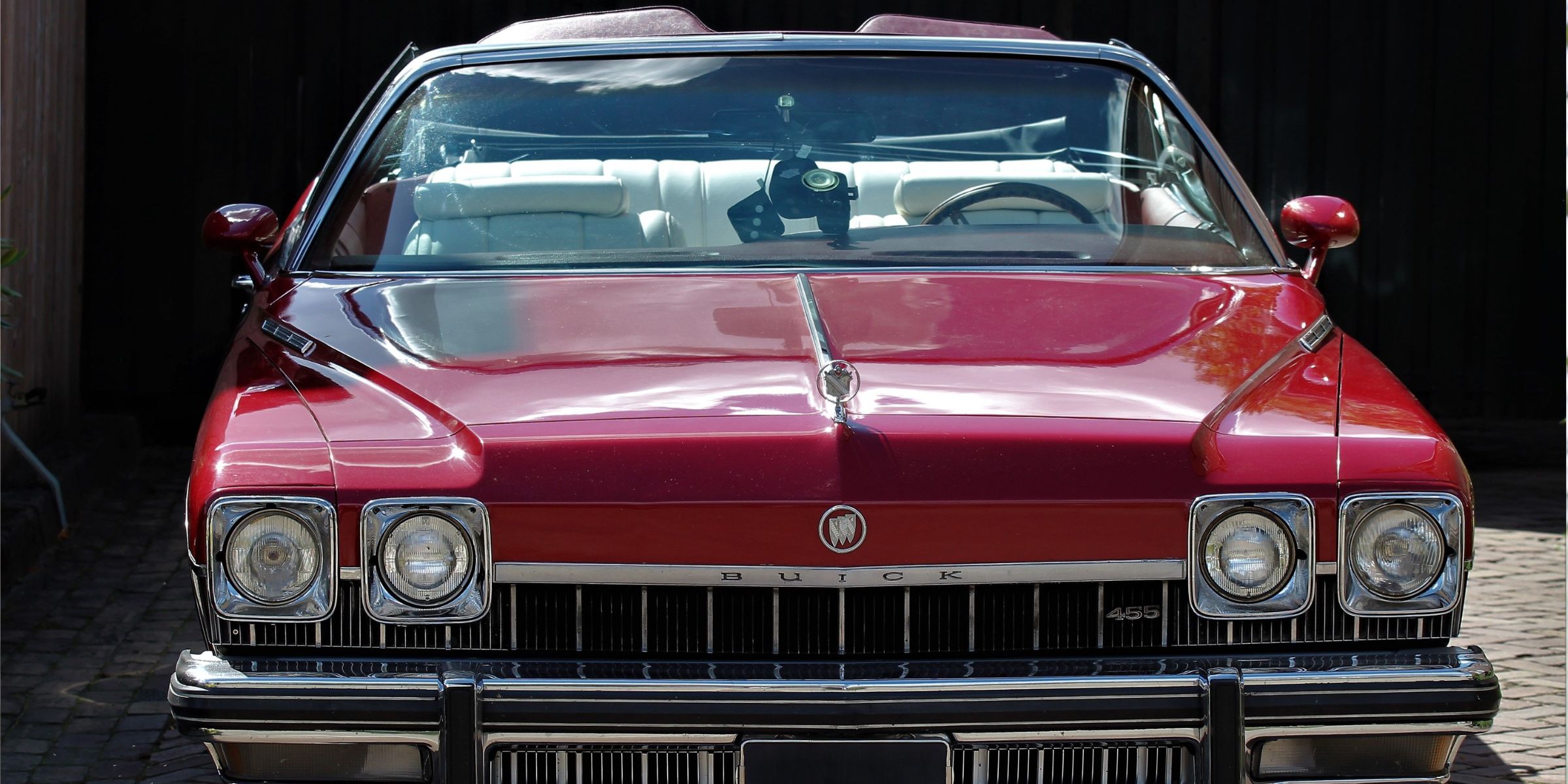
My grandfather gave me his cherry-red Buick Regal on my sixteenth birthday and told me it would take care of me. Three months later, after he died, my stepmother took it away. I thought I'd lost the last piece of him—until she showed up at my door with two police officers and a look of pure panic.
Jun 17, 2026
My son wanted me to sell my parents' old house to pay for his $86,000 wedding. He called it "just sitting there." I called it the last place my family still felt whole. So when I finally agreed to sell, I gave him one condition first.
Jun 18, 2026
Three weeks after my Mom’s funeral, I tried to sell the house that still felt full of everything she never said. I thought letting it go would prove I was strong. Then her neighbor handed me a letter, and I learned Mom’s silence had been hiding one final act of love.
Jun 26, 2026
For 27 years, I believed my brother had something to do with my best friend's disappearance. Then a terrified woman slammed her hands against my car window outside a grocery store and said my name. When I realized it was Maddie, I thought the nightmare was over. I was wrong.
Jun 18, 2026
For three years, I gave up my career, my relationships, and almost my entire life to care for my mother after her stroke. When she died, I expected to inherit the family home. Instead, a lawyer informed me she had left everything to a daughter I'd never heard of—and that was only the beginning.
Jun 19, 2026
Eight years after I became my little brother's guardian, I thought the hardest days were behind us. Then, on his eighteenth birthday, he placed our mother's old jewelry box in my hands and whispered, "There's one thing Mom never wanted you to find out." Suddenly, everything I believed unraveled.
Jul 01, 2026

I thought my mother-in-law had committed the ultimate betrayal while we were on vacation. Then she handed me an envelope and said, "If I hadn't done this, you'd be dead next week."
Jun 26, 2026

For years, I knew my father-in-law hated me because I was a schoolteacher who married his wealthy son. Then he offered me half a million dollars to disappear, went missing the next day, and left behind proof that my husband wasn't even who I thought he was.
Jun 25, 2026
I went into my mother's will reading expecting awkward paperwork and a fight with my brother over money. I did not expect to hear the name of a child no one in our family recognized, or to find out that my dying mother had one final request that would change my life completely.
Jun 22, 2026
I spent twenty-three years believing my husband and I simply couldn't afford luxuries. Then I found a receipt for a $15,000 diamond bracelet he'd bought for his 29-year-old secretary. When he calmly told me she deserved "one nice thing from this family," everything I thought I knew began to unravel.
Jun 30, 2026
Elena let the world believe she had married for money because telling the truth would have broken a promise to her mother. Then, after Arthur died, one sentence from his will turned a room full of smug mourners into stunned silence.
Jun 19, 2026
There are some messages you can ignore. The one that changed my life was written on the back of a restaurant receipt and contained only five words. At the time, I had no idea those words would expose a year of lies and lead me to a woman I was never supposed to meet.
Jun 23, 2026