On My 30th Birthday, My Best Friend Came Back with a Teenage Girl – Then She Said the Name I Had Given My Baby 14 Years Earlier
Jun 17, 2026




A few weeks after my father died, the bank opened a safe-deposit box he had kept for decades and handed me something I never expected to find among his things. What started as a small errand in the middle of grief led me into a part of his life none of us knew existed.
Advertisement
My father died last spring at eighty-two, and the first strange thing he did after death was send me to the bank.
A woman there told me I was the beneficiary on a safe-deposit box he had rented since 1978. She said it like routine paperwork. It did not feel routine to me.
Instead, there was a velvet pouch and a folded note.
My father was the kind of man who labeled extension cords and saved screws in old coffee tins. He believed in life insurance, fresh batteries, and not talking about feelings unless a funeral forced the matter. So of course I expected papers, maybe war medals, maybe my grandmother's earrings wrapped in tissue.
Instead, there was a velvet pouch and a folded note.
Inside the pouch was a woman's wedding ring, plain gold with a tiny nick near the stone, the kind of mark that comes from years of ordinary use. The note had only six words.
She looked at the ring, then at me, then back at the ring.
"Return this to Sarah. I've waited too long."
I asked my mother if she knew a Sarah.
Advertisement
She looked at the ring, then at me, then back at the ring.
"Not that I know of," she said.
But her voice had gone careful in the way grief makes people careful around anything sharp.
Then I started sorting through my father's papers, partly because grief makes you clean drawers just to keep your hands busy, and partly because that note felt planted like a question mark under my skin.
Three evenings later I found the first payment.
Three evenings later I found the first payment.
It was small, yearly, and carefully buried.
My parents had kept separate accounts for practical things, a habit from the lean years when every bill had to be sorted by hand. My mother paid the house bills. My father handled insurance, taxes, and anything he could file away before anyone asked.
Once I knew what I was looking for, I found nearly forty of them, moving through different accounts, cashier's checks, and once through a friend's business. He had not hidden them because they were illegal. He had hidden them because secrecy made guilt easier to manage.
Advertisement
I told myself it could not be an affair.
He had hidden them so well that if I had not been looking for Sarah, I never would have seen her.
I told myself it could not be an affair.
My parents had spent more than fifty years moving through the world like two people who had learned the same rhythm and never lost it. My father brought my mother tea every night at nine. He sharpened her colored pencils because arthritis hurt her fingers.
Eventually I found Sarah's name on an old business tax form from the year the store closed, listed beside the apartment over the shop.
I told her my father had died and the bank had given me the box.
A week later I was standing on the porch of a small white house with the ring in my pocket and my father's note folded into my wallet.
An elderly woman opened the door before I knocked twice.
"Are you Sarah?"
The moment she saw the ring, she sat down hard in the doorway.
Advertisement
"He kept it all these years?" she whispered.
I told her my father had died and the bank had given me the box.
Sarah said the ring belonged to her husband's wedding set, then stopped herself so abruptly I heard her teeth click.
What she gave me instead was one sentence.
"I promised never to explain unless he came himself," she said.
I told her I was not leaving with half a story.
She asked me to go.
I did not.
What she gave me instead was one sentence.
"Your father was not the only man who failed me."
That sent me looking in a direction I would never have imagined.
He remembered my father right away.
I pulled old business records at the county office and found my father's name tied to a failed hardware store in the late seventies. The second name on the paperwork was Tom.
Advertisement
My father had never mentioned owning a business with anyone.
The old storefront was a laundromat now, but the barber next door had been there since before I was born and remembered everything.
He remembered my father right away.
"Careful man," he said. "Steady man."
My father signed papers without reading closely enough.
Tom was the opposite.
"Could sell a shovel during a drought," the barber said. "And charm you while he borrowed the money to buy it."
According to the barber, Tom borrowed against the store and the apartment above it without telling my father the full risk. My father signed papers without reading closely enough. When the business collapsed, Sarah lost both.
Tom disappeared.
My father was left with signatures he had not understood and a debt he never stopped trying to repay.
When I went back to Sarah, she let me inside.
Advertisement
My father had not been secretly supporting a mistress. He had been making yearly payments to the woman whose life he believed his blind trust had ruined.
When I went back to Sarah, she let me inside.
I told her what I had learned, about the store, about Tom, about the papers my father signed without understanding. She sat with both hands wrapped around a cold teacup and said nothing for so long that I started to think I had said it wrong.
"He always thought the worst thing he did was trust Tom," she said. "It wasn't. The worst thing was believing he could pay me back forever."
On the night the store closed, she had taken off her wedding ring.
That was when she finally told me about the ring.
On the night the store closed, she had taken off her wedding ring, handed it to my father, and said, "Keep it until you can give me back the life he took from me."
"I said it because I wanted someone left in that room to bleed with me," she said. "By morning, I wished I had taken it back. By then, pride had already sat down between us."
Advertisement
"He kept the words literally," she said.
Then she told me the part my father had buried deepest.
I asked why she had accepted the money all those years.
"Because I needed it at first," she said. "Then I was too proud to admit I had built my life around being owed."
She said gratitude and anger had tangled together until she could not tell one from the other.
"Some years I cashed the check and hated him," she said. "Some years I hated myself more. Every year I told myself I would send the next check back. Every year I found a reason not to."
Then she told me the part my father had buried deepest.
When I found Tom in a senior apartment three towns over, I didn't go there for a showdown.
Tom had come back once, around fifteen years after the store collapsed. He had gone to my father first, not to Sarah. He wanted money, and he said he wanted to come home. My father gave him cash but did not tell Sarah he had returned.
"He thought he was protecting me from another disappointment," Sarah said. "I spent twenty years believing Tom never looked back."
Advertisement
That was the first time I felt angry with my father instead of sorry for him.
He had spent four decades paying for damage and still managed to leave one silence intact because it suited his idea of mercy.
When I found Tom in a senior apartment three towns over, I didn't go there for a showdown.
I told him Sarah deserved to hear that in person.
He was thin, courteous, and smaller than the man I had built in my head. The man who could once sell a shovel during a drought now asked whether I wanted tap water because he did not keep coffee anymore.
He admitted more than I expected, but not everything at once.
Failure had made him feel too small to come home, he said.
I told him Sarah deserved to hear that in person.
He refused twice before he agreed.
"She had survived worse than discomfort. You could do the same."
The first time, he said she was better off.
Advertisement
The second, he said he was too old to survive being hated properly.
I Simply responded, "She had survived worse than discomfort. You could do the same."
Two days later I drove Sarah to his building with the ring in my pocket.
When Tom walked into the community room and saw her, all the air changed.
I set the ring on the table between them and sat back.
Tom said failure had made him small, and being seen while small had felt unbearable.
Tom looked at the ring as if it were a witness.
Sarah asked him why he came back and then left again.
Tom said failure had made him small, and being seen while small had felt unbearable. He said my father had looked at him with pity and money in the same hand, and he had mistaken that for permission to disappear.
Sarah listened without interrupting.
Then she said, "My life was shaped by two men. One ran from shame. One tried to pay for it forever. Neither asked me what I wanted."
Advertisement
The laundromat owner agreed to let us hang the restored sign on the side wall under the awning.
Sarah touched the ring but did not put it on.
Then she turned to me, not to either of them, and said, "Stop the payments."
I asked, "What do you want to do with the ring?"
She thought for a long time.
"Sell it," she said. "Use the money to restore the old storefront sign. Hang it where the old bolt marks still show. Not to honor the business. To close it."
On the drive home I stopped by my mother's house.
The laundromat owner agreed to let us hang the restored sign on the side wall under the awning.
A month later, the old hardware name was bright again for the first time in decades.
Sarah stood beside me with her hands in her coat pockets while Tom watched from a folding chair the barber loaned us.
No speeches were made.
The sign went up.
Advertisement
On the drive home I stopped by my mother's house.
When I finished, she looked down at the peas and said she believed it.
She was on the porch shelling peas into a bowl.
I told her everything, because by then secrecy felt like an infection I did not want to pass forward.
She listened without interrupting, which was exactly what my father used to do when he knew he was guilty.
When I finished, she looked down at the peas and said she believed it.
Not because what he did was right, she said, but because it was exactly the sort of mistake your father would spend his whole life trying to outwork.
I slept badly that night and dreamed about a ring on a nail above a cash register.
Then she added something that stayed with me.
"He loved me," she said. "And he was allowed to have done harm before he met me."
She smiled, tired and sad.
"Years ago, yes," she said. "Now I think he kept it because he could not stand the fact that repentance still had his own face on it."
Advertisement
I slept badly that night and dreamed about a ring on a nail above a cash register, swinging every time the shop door opened.
In the morning, I called Sarah to ask how she felt.
He was not innocent.
She said lighter, which surprised her.
Then she said something I wrote down on the back of an envelope so I would not lose it.
"We mistake debt for devotion when we are lonely long enough," she said.
I think about that a lot now, especially when I remember my father oiling hinges, bringing my mother tea, and locking his regrets inside routines that looked like virtue from the outside.
He was not innocent.
My father's note had asked me to return the ring, but it really asked me to return a truth he had held too long.
Sarah was not blameless.
Tom was not monstrous.
They were simply people who let shame choose for them until years piled up and hardened around the choice.
Advertisement
My father's note had asked me to return the ring, but it really asked me to return a truth he had held too long.
I think he knew I would do what he could not.
Not forgive him.
Sarah mailed me a photograph of the restored sign a week later.
Not excuse him.
Just open the door he kept closed.
The payments were set to continue from a small account my father had left under my control. I closed it the same week Sarah told me to stop.
Sarah mailed me a photograph of the restored sign a week later.
When I pass the laundromat now, I always look up.
On the back she wrote, "Tell your father I finally took my ring back, even if I had to sell it to do it."
I keep that note in my desk now.
When I pass the laundromat now, I always look up.
The sign is only paint and metal, but it reminds me that hidden debts still shape families long after the people who made them are gone.
Advertisement

Emma thought the strangest thing she would find after her mother's death was a box of old family memories. Instead, she uncovered evidence that someone had been planning her birthdays years into the future, and hiding a secret that had been waiting decades to be discovered.
Jun 22, 2026

When my husband brought his pregnant mistress into our home, I thought betrayal was the worst pain he could cause me. Seven months later, she appeared at my door in the rain, shaking and alone. What she told me proved his cruelty had gone much deeper.
Jun 10, 2026

When an unknown number called and the woman on the other end knew my birthday, my childhood street, and the nickname only my mother used, I assumed it was some kind of scam. Then she told me her name, and a secret my family had buried for more than 30 years began to unravel.
Jun 12, 2026
For months, Myra cleaned up the garbage her neighbor kept leaving on her property. She was furious, exhausted, and ready to snap. But when Tom's own yard became the scene of a shocking mess, she discovered there was more behind his cruelty than she knew.
Jun 10, 2026
I came home early on our tenth wedding anniversary and caught my husband in bed with my best friend. I thought I was discovering an affair. I had no idea I was looking at the final piece of a betrayal that had been unfolding for years.
Jun 11, 2026
The day before her wedding, Sarah saw a photo that made her blood run cold: her old best friend was standing beside a groom who looked exactly like her fiancé. But when Ryan walked through the door moments later, his face told her this was far worse than cheating.
Jun 24, 2026
For two years, I worked myself raw to keep my husband alive and our daughter’s future untouched. Then he left, calling my sacrifice control. I might have believed grief was the worst he could give me, until one message from my daughter made me open the papers he'd hidden.
Jun 16, 2026
I married a 76-year-old widow because I needed her money. For four years, her family treated me like a thief waiting for her to die. After her funeral, I expected an inheritance—or nothing at all. Instead, her lawyer handed me an old sewing machine and a letter nobody wanted me to read.
Jun 16, 2026
After 11 years of managing our home, my husband told me running a household couldn't possibly be as difficult as his job. So we switched roles. A week later, I came home early, expecting an apology. Instead, I walked into something I never imagined.
Jun 22, 2026
The box had no return address, no card, and no explanation. But the moment Miriam saw the tiny blue shoe inside, she knew exactly which secret from her past had finally come home.
Jun 17, 2026
I've been a single mom long enough to know that when a man gives your child something expensive, it usually comes with strings attached. So when my son's baseball coach showed up with a $400 glove, I smiled, thanked him, and had no idea how bad it was until I felt something hidden inside the lining.
Jun 10, 2026

I planned one quiet anniversary dinner with my husband after 15 years of marriage. Instead, he chose a soccer match and told me I would still be there the next day. But by the time he came home, I had finally stopped waiting.
Jun 23, 2026
Some gifts carry memories, some carry secrets, and some change the way you see the people around you forever. I didn't know which kind I'd been given until the morning after I said, "I do."
Jun 18, 2026
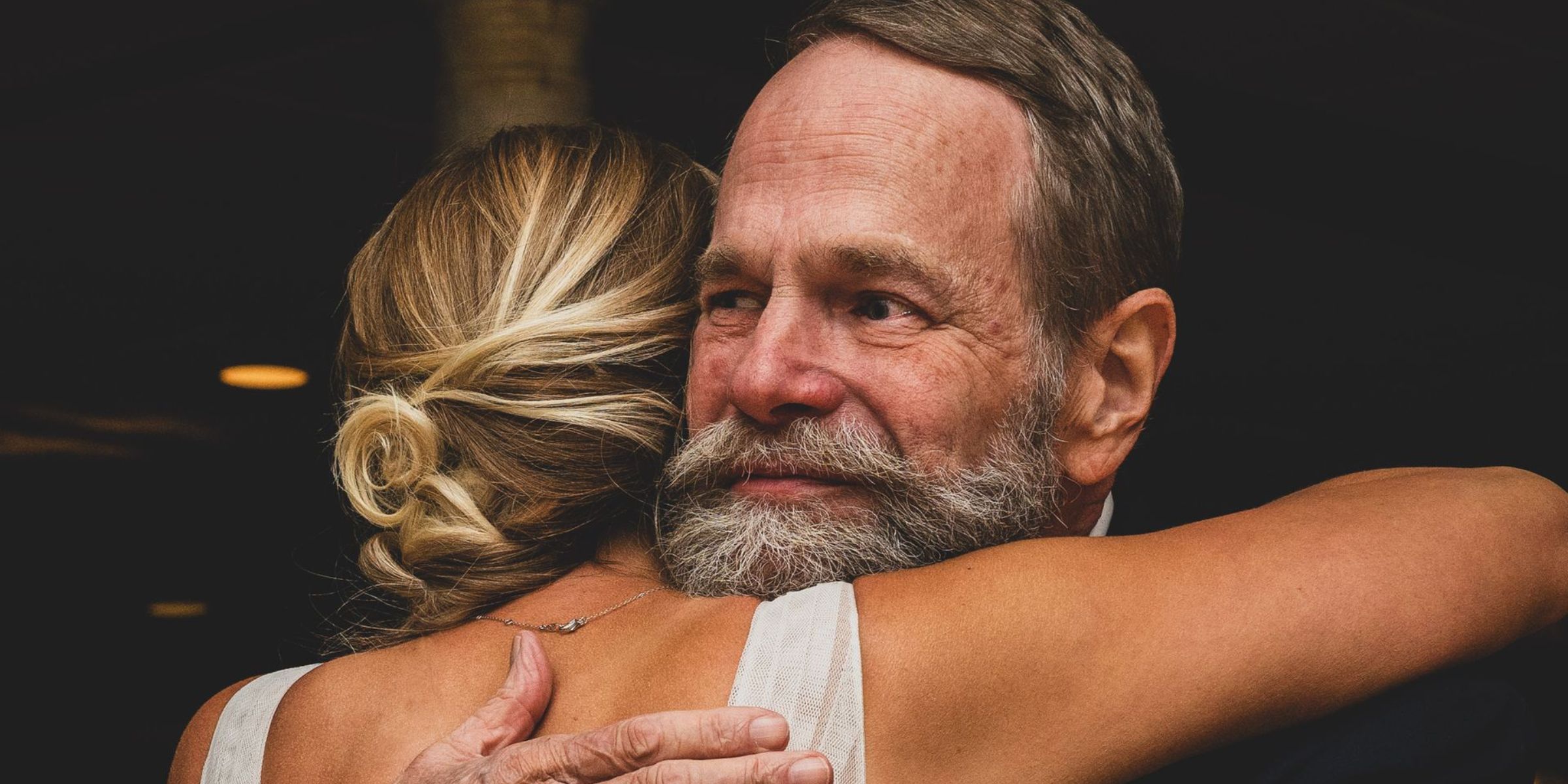
A month after my mother died, my best friend married my 68-year-old father. I called her a traitor and cut them both out of my life. Then, on my birthday, she showed up at my office with a black box and a warning: "Open it when you're alone." Inside was a secret my mother had taken to her grave.
Jun 22, 2026