'Mom, Why Did That Woman Stop Coming to Our House?' My Daughter Asked, Pointing at a Waitress
Jun 09, 2026




I grew up believing our wealth was absolute, until I realized it was built on a lie. When my mother walked into my shift, I finally held the power to shatter the gilded cage forever.
Advertisement
I grew up in a house where love was measured in monogrammed luggage and the right last names at dinner parties. My mother, Rose, called it "standards." I called it the only world I knew. Private schools shaped me. Designer wardrobes dressed me. A father's black card paid for everything I never had to ask for.
Then college happened, and the curtain slipped.
My roommate worked the front desk of the library until midnight, then opened the dining hall at six. The girl in my philosophy class skipped lunch on Wednesdays so she could afford the bus home on Fridays. They were sharper than I. Kinder than me and laughed louder, too.
Every time I tapped my father's card at the campus store, my face felt warm in a way it never used to.
One Sunday, a delivery arrived at my dorm. A glossy white box, ribbon-tied, three cashmere sweaters folded inside. My phone buzzed before I had finished opening it.
"Did you get the package, sweetheart?"
"Yes, Mom. You didn't have to."
"Of course I did. That gray one will photograph beautifully at the alumni brunch. You cannot keep wearing the same things, Elena. People notice."
Advertisement
"I haven't worn the same things."
"You know what I mean."
I sat on the edge of my bed holding a sweater that cost more than some of my classmates made in a month. And for the first time, I wondered what other things my mother had decided people would notice.
A name floated up from somewhere old. Marta. I had been 15 when I heard my parents arguing in the kitchen, my father's voice low, my mother's sharp.
"It was the only way, Rose. Nobody is going to question the housekeeper."
I had not understood it then. I had buried it, the way I buried anything that did not match the wallpaper.
Now it would not stay buried.
A week later, I walked into a coffee shop two blocks from campus and asked if they were hiring, no phone calls, no favors — just my name on a paper application, written in my own ordinary handwriting.
The manager, a tired woman named Dee, looked me over once.
"Can you be here at 5:30 in the morning?"
Advertisement
"Yes."
"Can you smile at people who are rude to you?"
"I've been training for that my whole life."
She laughed and handed me an apron. I tied it on in the back room, in front of a smudged mirror, and something in my chest settled. For the first time, the money in my pocket was going to be mine. And somewhere out there, a woman named Marta was about to stop being a secret.
Seven months in, the apron felt like a second skin, and I knew which regulars wanted oat and which wanted whole before they reached the counter. The tips in my pocket were small but mine. Every coin was a tiny vote against the girl my mother had spent 20 years sculpting.
I was wiping down the espresso machine when the bell over the door chimed.
I looked up out of habit.
Pink coat. Pearl earrings. A shopping bag in each hand.
Rose.
She had not seen me yet. She was scanning the room the way she scanned every room, looking for someone worth recognizing. Then her eyes found the counter.
Advertisement
Then me.
The shopping bags lowered an inch. Her public smile, the one she practiced in mirrors, slipped right off her face. She crossed the floor like she was walking through a flood.
"Elena."
"Hi, Mom."
I kept my voice level. My workmate, Jamie, beside me, glanced over and went very still. My mom leaned across the counter. Her perfume hit me before her whisper did.
"What in God's name are you wearing?"
"An apron."
"Take it off."
"I'm working."
She closed her eyes for a second, like she was praying for patience or for the floor to swallow one of us.
"Elena, take that thing off and walk out with me right now. We will go to lunch. We will pretend this never happened."
"I have a shift until two."
"You do not have a shift," she hissed. "You have a trust fund."
Advertisement
A woman in line shifted uncomfortably. I felt heat climbing up my neck, but my hands stayed steady on the rag.
"Can I get you something to drink?"
The question seemed to crack something in her. Her voice rose, just enough to carry.
"Do you have any idea how this looks? I drove three hours to surprise you. I brought you the cashmere you asked about. And I find you here, like, like a, "
"Like a what, Mom?"
She did not answer. She just stared at the apron string knotted at my waist as if it had personally betrayed her.
"People will think we have problems," she said finally. "People will think your father's business is failing. People will think I let my own daughter..."
"People will think I have a job."
"That is not a job, Elena. That is a costume."
"Don't," I said quietly.
Rose turned back to me. Her eyes were wet now, but the tears were the working kind — the ones she used at fundraisers when the cameras came out.
Advertisement
"Honey. Sweetheart. Do you know what people will say?"
"I don't care what people will say."
"You should."
"Why?"
She blinked, genuinely startled by the question. The girl waiting for her latte was staring openly at the floor, trying very hard to be elsewhere. My mom lowered her voice to a whisper meant to feel like a slap.
"You are embarrassing this family."
There it was. The sentence she had been building toward since she walked through the door. The sentence I had heard, in different shapes, my whole life. My hand tightened around the edge of the counter.
For a year, I had been planning a quieter conversation. A controlled one. In a living room, on my terms, with the folder in my lap and Dad in the chair across from me. But my mom had walked into where I work in a pink coat and chosen the audience herself.
I looked up at her, and I felt something old and obedient finally let go.
My knuckles whitened against the counter edge. The old instinct — to shrink, to apologize, to smooth her pink coat back into place — rose like a tide. I let it pass through me and out.
Advertisement
"Do you even know what I'm earning this money for?"
Rose blinked. Her mouth opened, then closed.
"Lower your voice, Elena. Right now."
"No."
I untied the apron strings but did not take it off. I walked out from behind the counter, so nothing stood between us.
"Do you remember Marta?"
The color in her cheeks shifted, the smallest flinch under the powder.
"Don't be ridiculous. Take that thing off and let's go."
"Marta. Twelve years in our house. Made my school lunches. Sat with me when I had the flu in seventh grade because you were in Milan."
"Elena."
"You and Dad said she stole from the safe. Fired her without references. Told everyone in your circle so she couldn't get hired anywhere on that side of town."
Jamie, beside me, had stopped wiping the espresso machine. A girl near the window quietly lifted her phone.
Advertisement
"Elena, this is not the place."
"Over spring break, I went home while you and Dad were in Aspen," I said. "I had a hairpin, a YouTube tutorial, and three days alone in the house. The bottom drawer of Dad's desk took me 20 minutes. His laptop was sitting right on top, and the password was still my birthday. I found the ledger entry showing the safe was emptied the week before the investment call."
"... I found the email thread in his sent folder, the one where you wrote, in your own words, that blaming Marta was cleaner than admitting the loss to the partners. And I remembered the phone call I overheard when I was 15, Mom. Just one line. 'It was the only way, Rose. Nobody is going to question the housekeeper.' I didn't know what it meant then. I do now."
My mom's lips parted. Nothing came out.
"You took the money. Both of you. To cover that investment, Dad swore it was a sure thing. And you let her walk out of our house with a stolen-from-the-safe story attached to her name."
"You don't know what you're talking about."
"I know she lives in a one-bedroom now. I know she cleans offices at night. I know her son had to drop out of community college."
Advertisement
"How could you possibly?"
"Because I found her cousin," I said. "A year ago. Sat down with him, showed him what I'd found, and swore him to secrecy. He runs a parish hardship fund. For months he routed the money to her as grants, until I was ready to tell her myself, which I did last month."
My mom took a half step back, like the floor had tilted.
"Every paycheck from this job, seven months of them, went to her. Through the fund, so it reached her as a grant from people she trusted, not charity from the family that ruined her. Every tip. The Christmas bonus I'll get next month, that's hers too."
"You've been—"
"Working. Yes. Since the spring. For Marta. Not for some rebellion phase. Not to find myself. For her."
"Come outside with me. Right now. We are going to fix this."
"Don't touch me."
She gripped anyway, her fingers tight through my sleeve. Three more phones rose around the room. I felt them like little lights turning on.
"Mom. Let go."
Advertisement
"You ungrateful, foolish—"
"Let go."
She did, suddenly, like the word had burned her. Her hand hovered in the air between us.
"You think you've found something," she whispered. "You haven't. You've found pieces. You don't understand how any of this works."
"I understand that an innocent woman lost 12 years of her life so you wouldn't have to downsize the lake house."
A man in a hoodie at the corner table murmured, "Damn."
My mom heard it. Her eyes darted around the cafe and saw, finally, what I had already seen. The phones. The witnesses. The barista froze in her periphery. A room that was no longer hers to charm.
"Elena," she said, softer now, almost pleading. "Whatever you think you have, we can talk about this at home."
"We're not at home. And I'm not done."
I watched the calculation move behind her eyes. I reached into my bag and rested my hand on the folder inside. Her face went very still.
Advertisement
The cafe had gone silent.
"Elena, sweetheart, someone has gotten to you. You don't know what you're saying."
I didn't move.
"I know exactly what I'm saying."
She tried another angle, voice trembling.
"If you do this, your father will cut you off. You'll have nothing."
I untied my apron and folded it on the counter. Then I pulled a thin folder from my bag and set it beside the register.
"I've already spoken to Marta. And to a lawyer who handles defamation."
Her mouth opened, then closed.
"You wouldn't."
"I already have."
She stepped closer, lowering her voice to that sharp whisper she saved for staff and strangers.
"This will destroy us, Elena."

"It already destroyed Marta."
Advertisement
A girl near the window kept filming. Jamie stood frozen behind me, hand over her mouth.
"You can go home," I said. "Tell Dad the truth. Make this right with her privately. Or you can let it play out in public."
I tapped the folder.
"The bank statement and the email thread are in here. This proves that you lied about the theft and that you spread the lie to every owner in town. The phones just decide how fast the story spreads."
Rose looked around like she was searching for an exit that no longer existed.
"The family," she whispered.
"The family you're so afraid of losing was never real."
I picked up the folder and turned to Jamie. "I'm sorry to leave you mid-shift."
She gave a small, firm nod.
"Go. I've got it."
I thanked her and walked past my mother toward the door. Her hand shot out and caught the edge of my sleeve.
"Elena," she hissed, low and urgent. "Don't you dare walk out that door."
Advertisement
Her eyes flicked past me to the wall of raised phones, and the rest of the sentence died in her throat. Her fingers loosened. She sank onto the nearest stool, both hands flat on the counter as if the floor had tilted.
"I need to call your father," she whispered to no one.
She didn't follow.
Three weeks later, I sat across from Marta in a quiet diner. The vinyl booth squeaked under us, and the coffee between her hands had gone cold long ago. I slid the folder over.
"These are the documents I promised you. The lawsuit can move forward whenever you're ready."
Her fingers trembled when they touched the cover. She did not open it. She simply rested her palm flat across the top, the way a person rests a hand on something sacred, and her eyes closed.
When they opened again, they found mine.
"Thank you."
That was all she said. One word, soft as breath, carrying 12 years inside it.
I reached across the Formica and held her other hand. Neither of us spoke for a long time.
Advertisement
That evening, I kept the apron folded in my drawer, a small reminder that the most expensive thing I ever owned was my own voice.
If you were in Elena's position, do you think you would have confronted your parents in public the way she did, or would you have chosen a different path to help Marta?
If you enjoyed this story, you might also like to read about a teacher who refused to be pushed out of the school where she had taught for forty years. See how karma finally caught up to the wealthy mother who tried to force her out — click here to read the full story.
Advertisement

Gloria thought turning 40 might finally be the year her husband showed up for her in a real way. Instead, he wheeled her birthday cake into a crowded kitchen, smirked like he had invented cruelty, and wrote the end of their marriage in blue icing for everyone to see.
Jun 08, 2026
When I was the poor kid everyone at school called "trash," only one girl ever sat with me at lunch like I mattered. Eighteen years later, she walked into my café with two kids, a travel bag, and a declined card, and she had no idea who I was.
Jun 10, 2026

Six days before my birthday, I found two identical diamond bracelets in my husband's closet. For nearly a week, I obsessed over who the second one was for. When my husband finally revealed the answer at my birthday dinner, I discovered something far more painful.
Jun 10, 2026

When my husband brought his pregnant mistress into our home, I thought betrayal was the worst pain he could cause me. Seven months later, she appeared at my door in the rain, shaking and alone. What she told me proved his cruelty had gone much deeper.
Jun 10, 2026
When my eight-year-old daughter asked why another woman claimed to be her mother, I felt my entire world tilt beneath me. By the end of the week, I would uncover a secret connected to her birth that had been hidden for years, and learn that the woman I feared most had never been my enemy.
Jun 11, 2026
For years, my son was the kid nobody picked, nobody invited, and nobody seemed to notice. Then his entire graduating class organized a ten-year reunion and somehow forgot to invite him again. They thought the story would end the same way it always had. They were wrong.
Jun 03, 2026
I've been a single mom long enough to know that when a man gives your child something expensive, it usually comes with strings attached. So when my son's baseball coach showed up with a $400 glove, I smiled, thanked him, and had no idea how bad it was until I felt something hidden inside the lining.
Jun 10, 2026
For months, Myra cleaned up the garbage her neighbor kept leaving on her property. She was furious, exhausted, and ready to snap. But when Tom's own yard became the scene of a shocking mess, she discovered there was more behind his cruelty than she knew.
Jun 10, 2026
She grew up poor, bullied, and written off — but she refused to stay that way. This is the story of a girl who bet on herself and won. See her story inside.
May 15, 2026

Cindy Crawford has opened up about a condition affecting her eyes that she quietly dealt with for nearly a decade before finally finding a solution that restored her confidence.
May 28, 2026
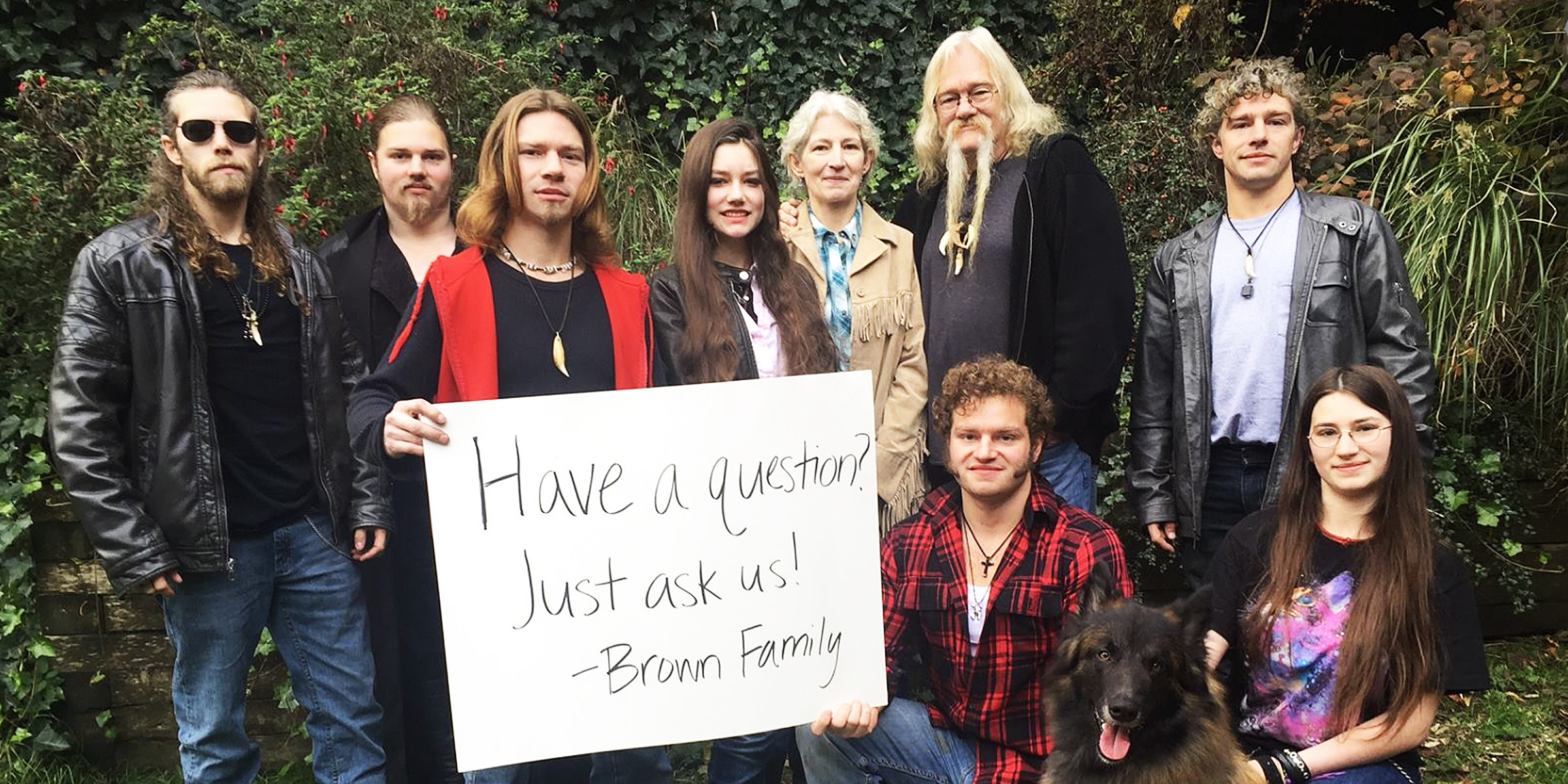
The Brown family of "Alaskan Bush People" built their fame on a life in the wilderness, but the years since have brought struggles and tragedy. From patriarch Billy Brown's death to the most recent loss of eldest son Matt, the family's real story runs far darker than any episode ever showed.
Jun 01, 2026
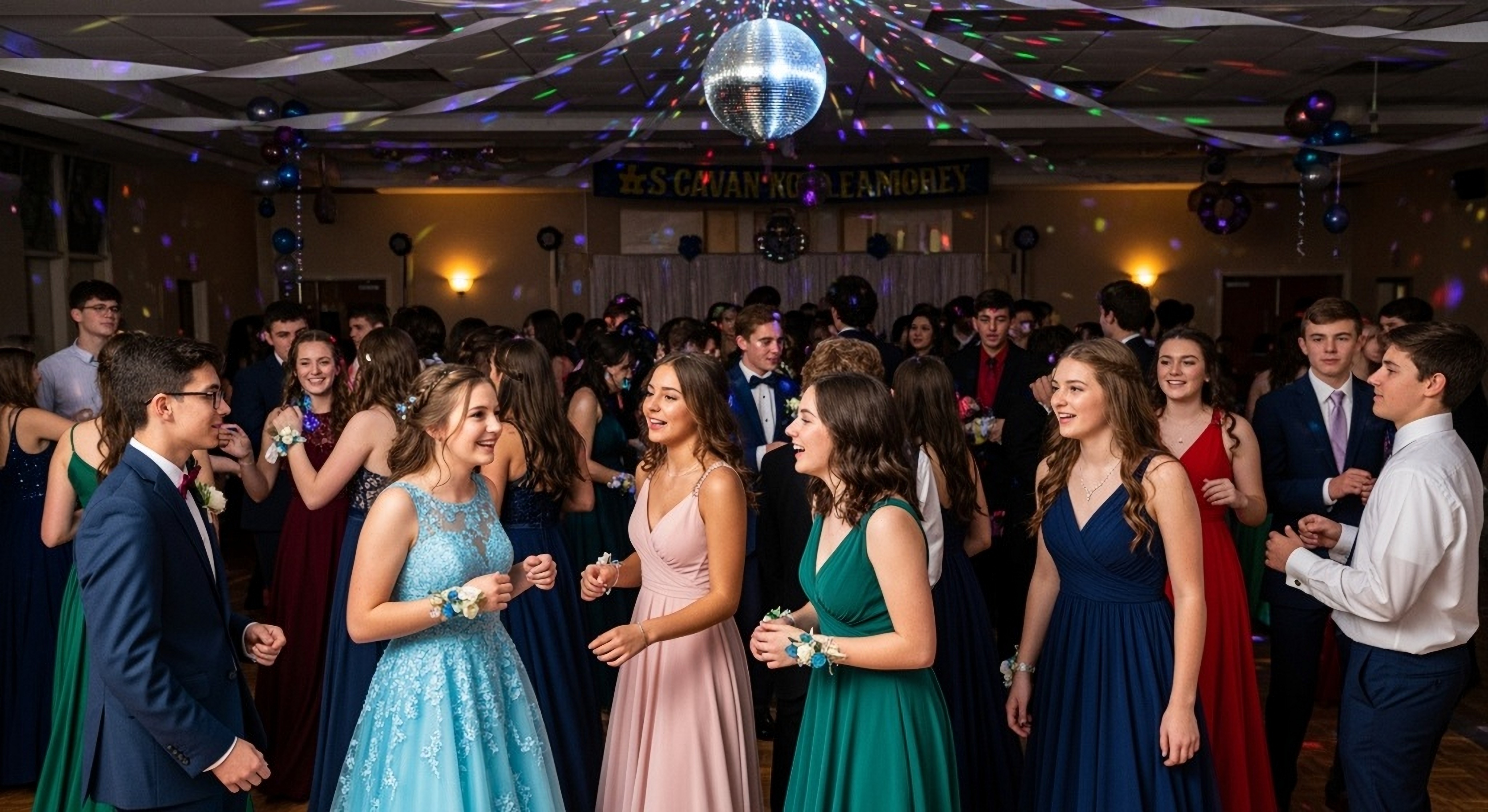
After the accident, Ellen never imagined attending prom. Then her best friend promised he'd dance with her if she went. What nobody told her was that someone had already put a plan in motion to make sure she never even made it through the door.
Jun 05, 2026
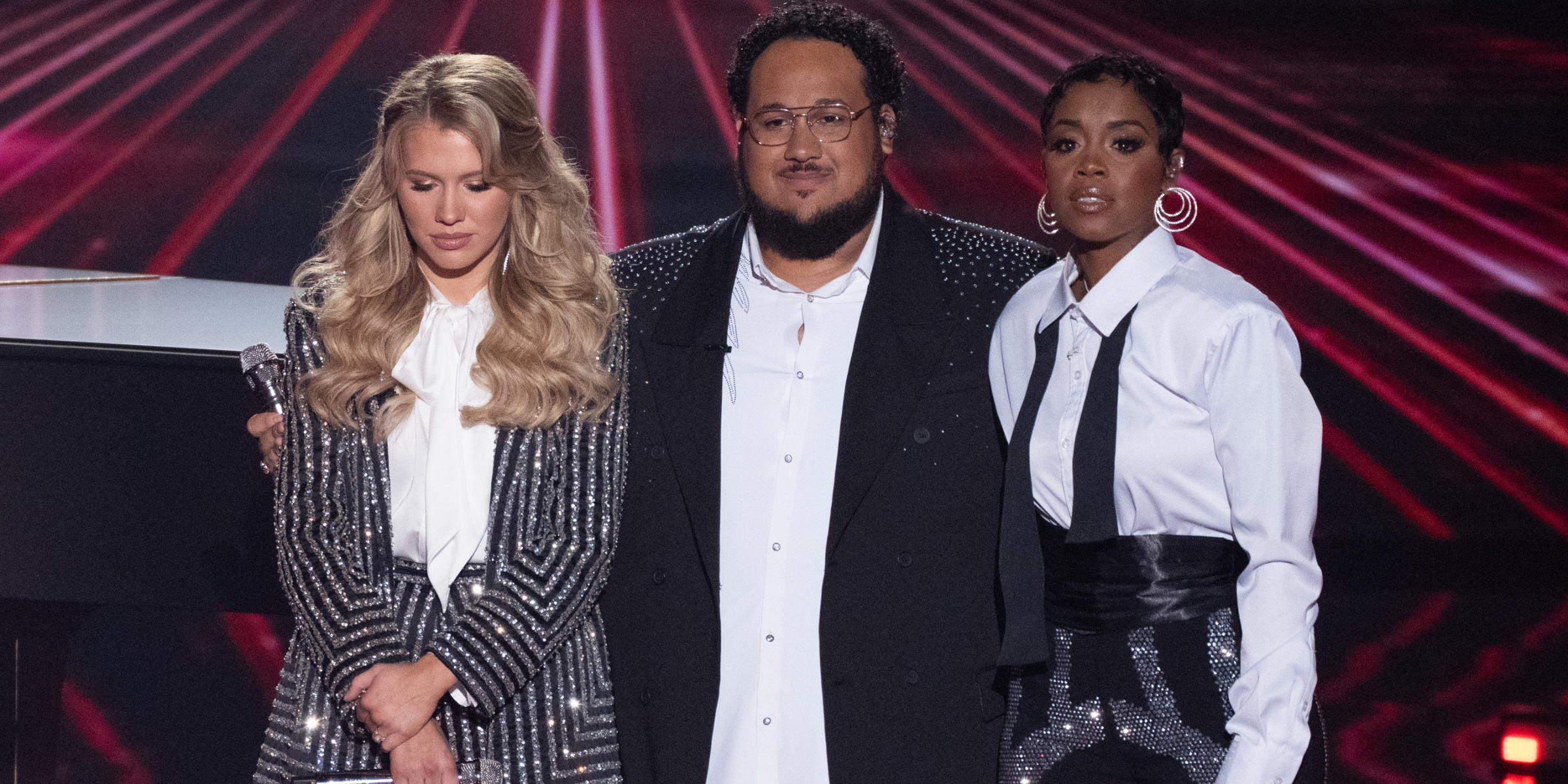
Hannah Harper was crowned American Idol 2026, but fans of Keyla Richardson and Jordan McCullough aren't convinced the right winner was chosen. The debate is still going strong.
May 13, 2026
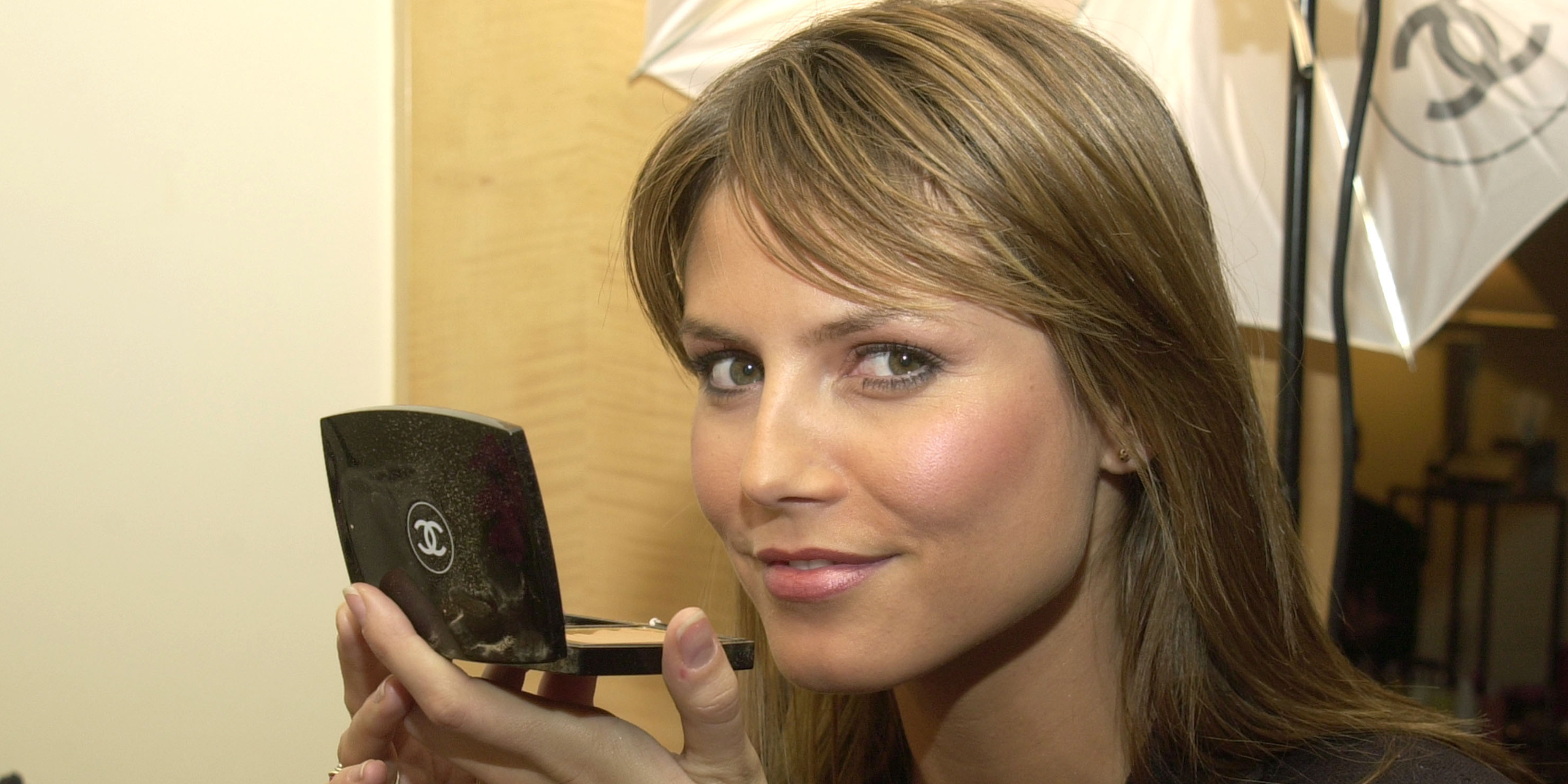
Heidi Klum commanded attention at the 2026 Cannes Film Festival with husband, Tom Kaulitz, and son, Henry Samuel. Fans split sharply over her look and her boy's striking resemblance to both parents.
May 21, 2026